Arts Integration in the K-12 Classroom
University of Pennsylvania
Spring 2026
Instructor: Debora Broderick
About
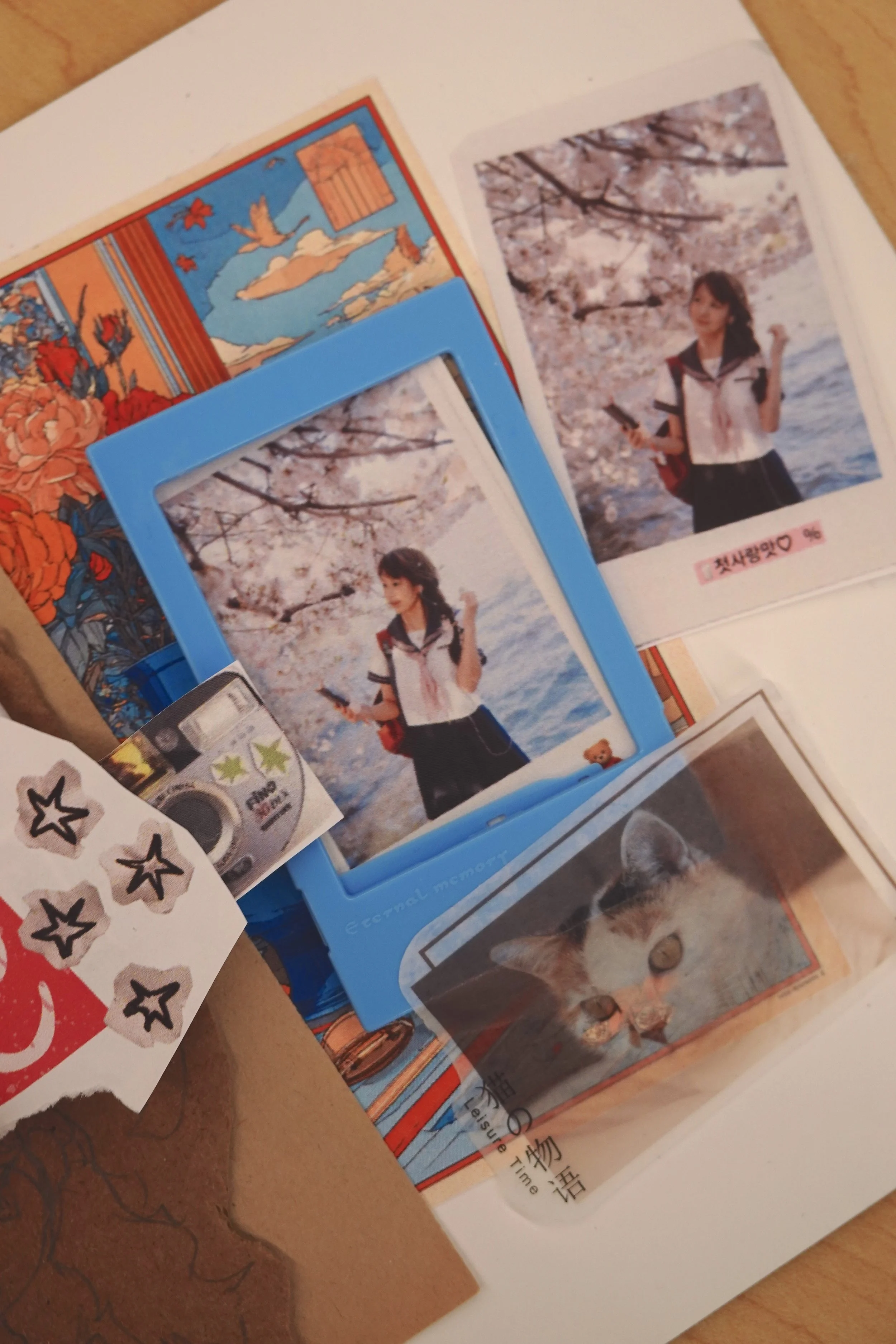
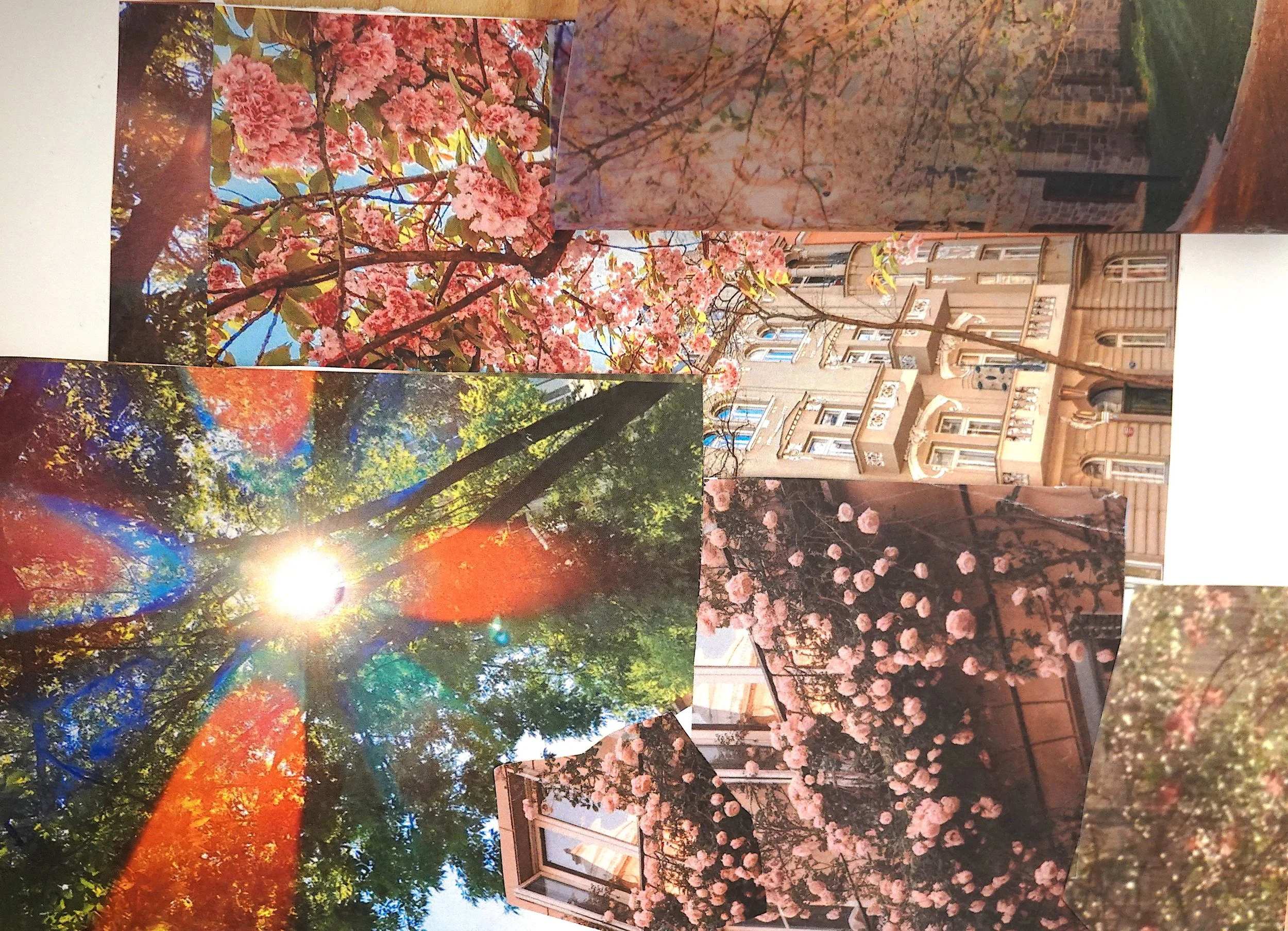
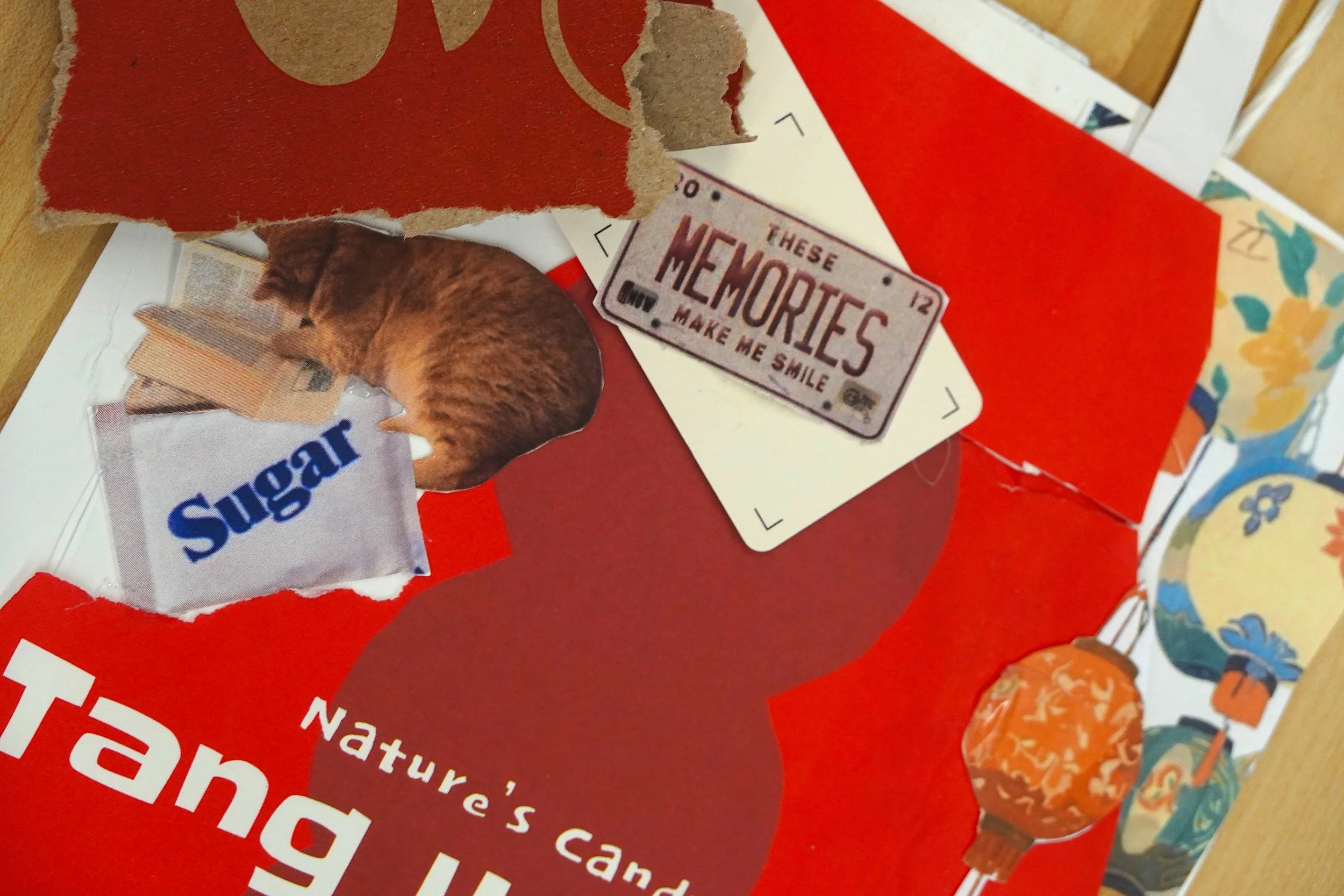
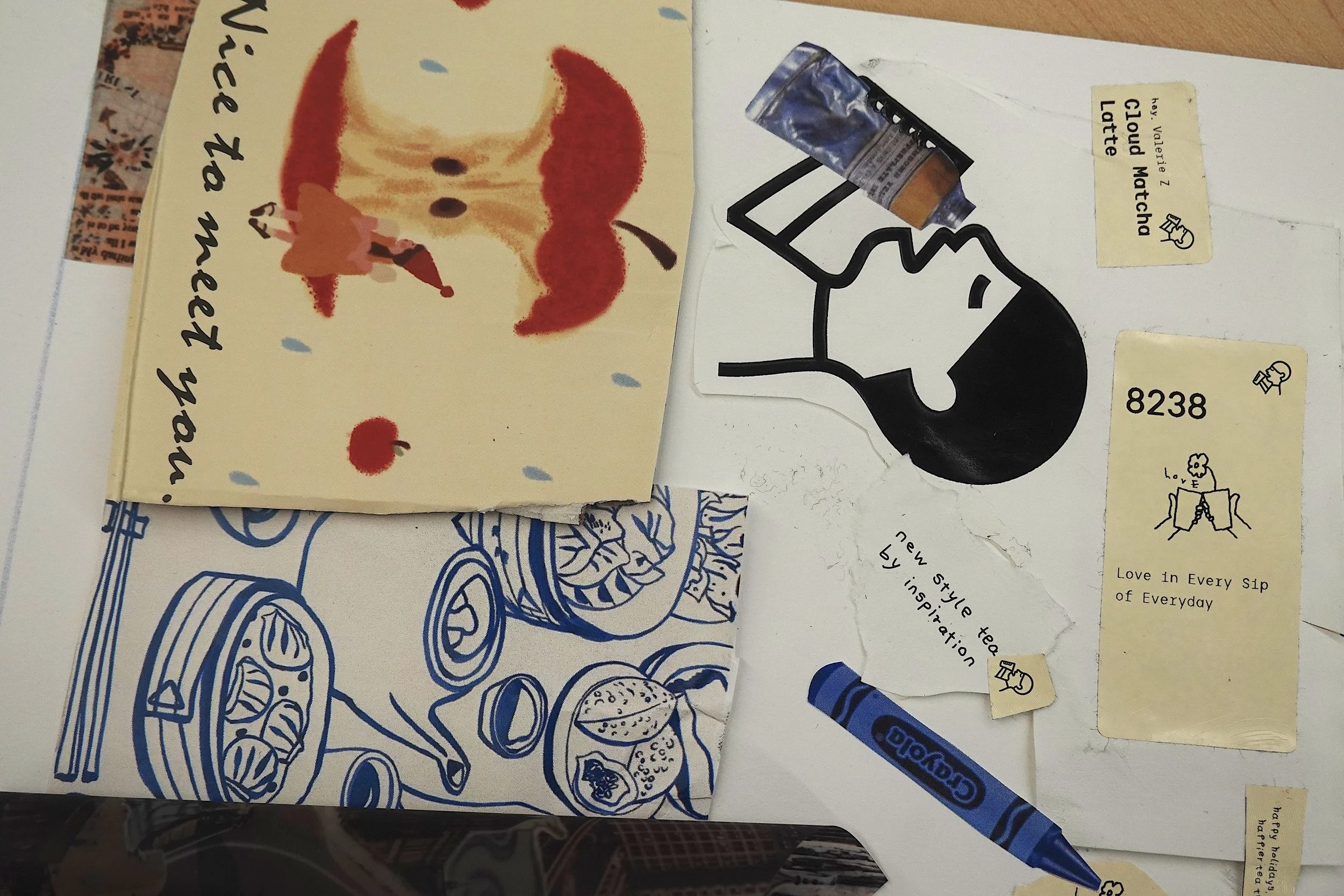
This is a collection of Valerie Zhang's sketchbook works from October 2025 to May 2026. Under the course guidance of EDUC 5930 at the University of Pennsylvania, I adopted the exploration of Art education centered on Waste Art & Daily art.
On this page, you can see:
- Sketchbook Gallery Summary
- Sketchbook Reflection
- Arts-Integrated Lesson: AI & Collaborative Partnership
- Visual Teaching Philosophy: Art is everywhere
- Culminating Essay
- Sketchbook Works Details
- Sketchbook Gallery Summary
- Sketchbook Gallery Summary
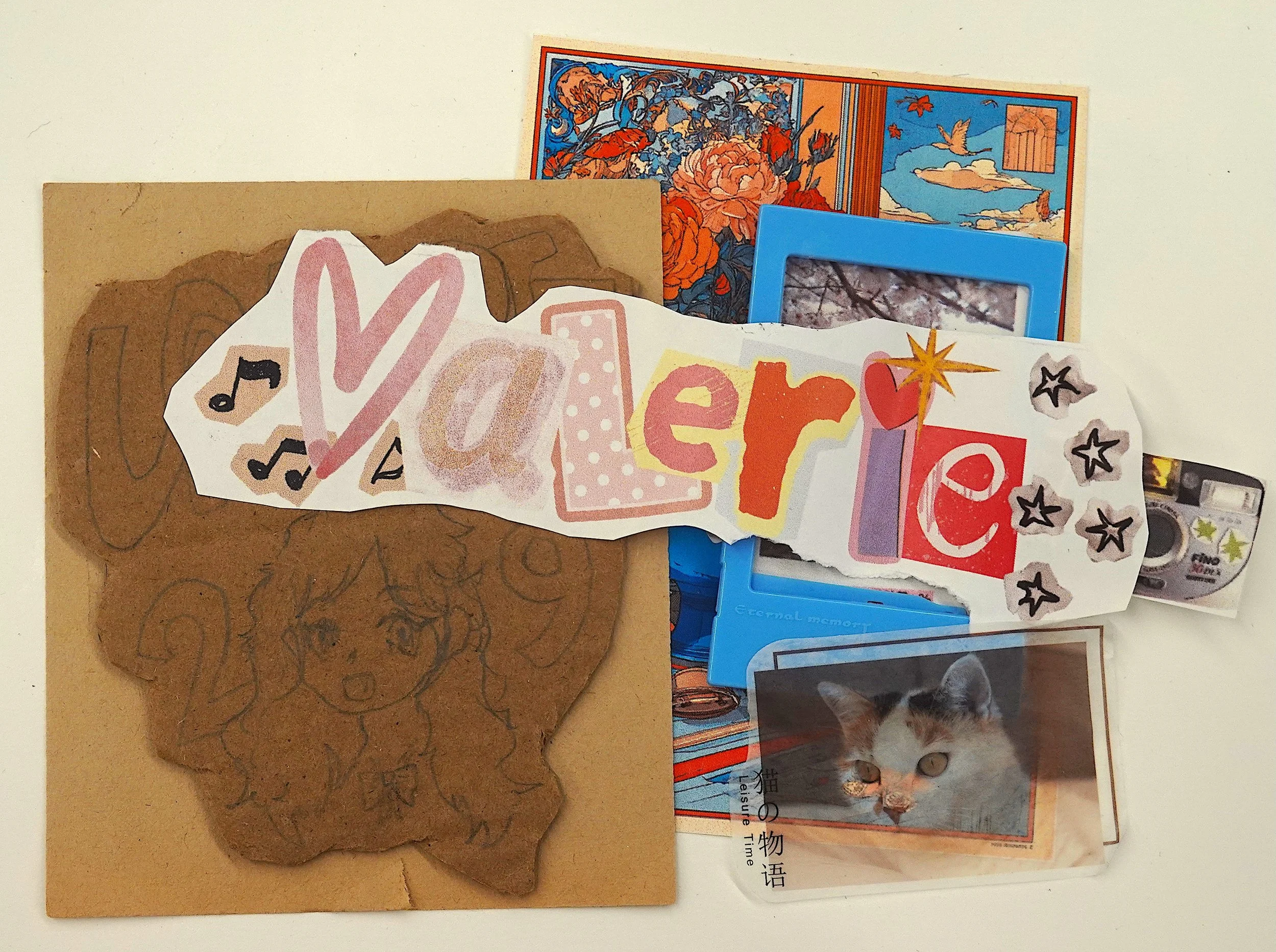
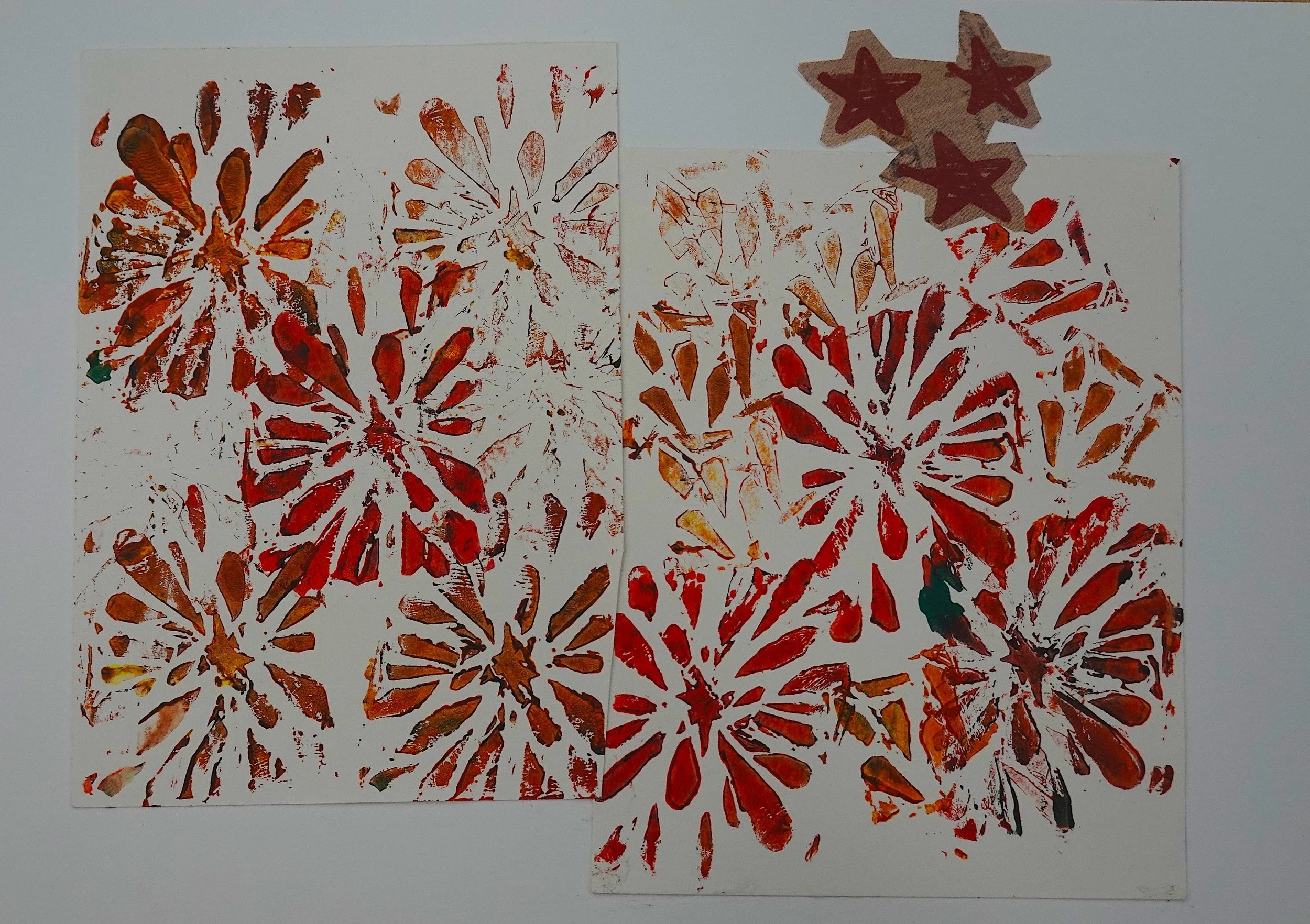
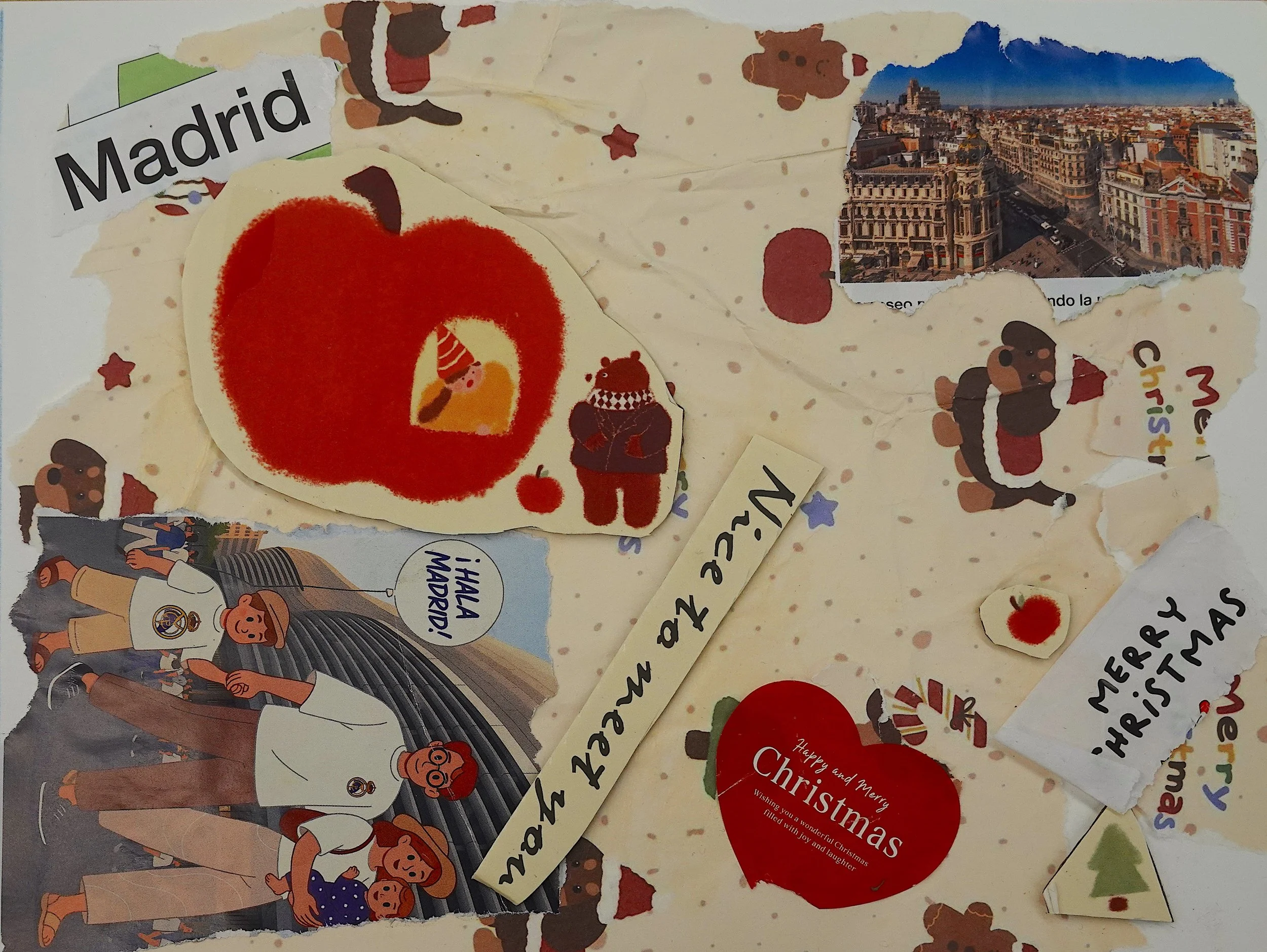
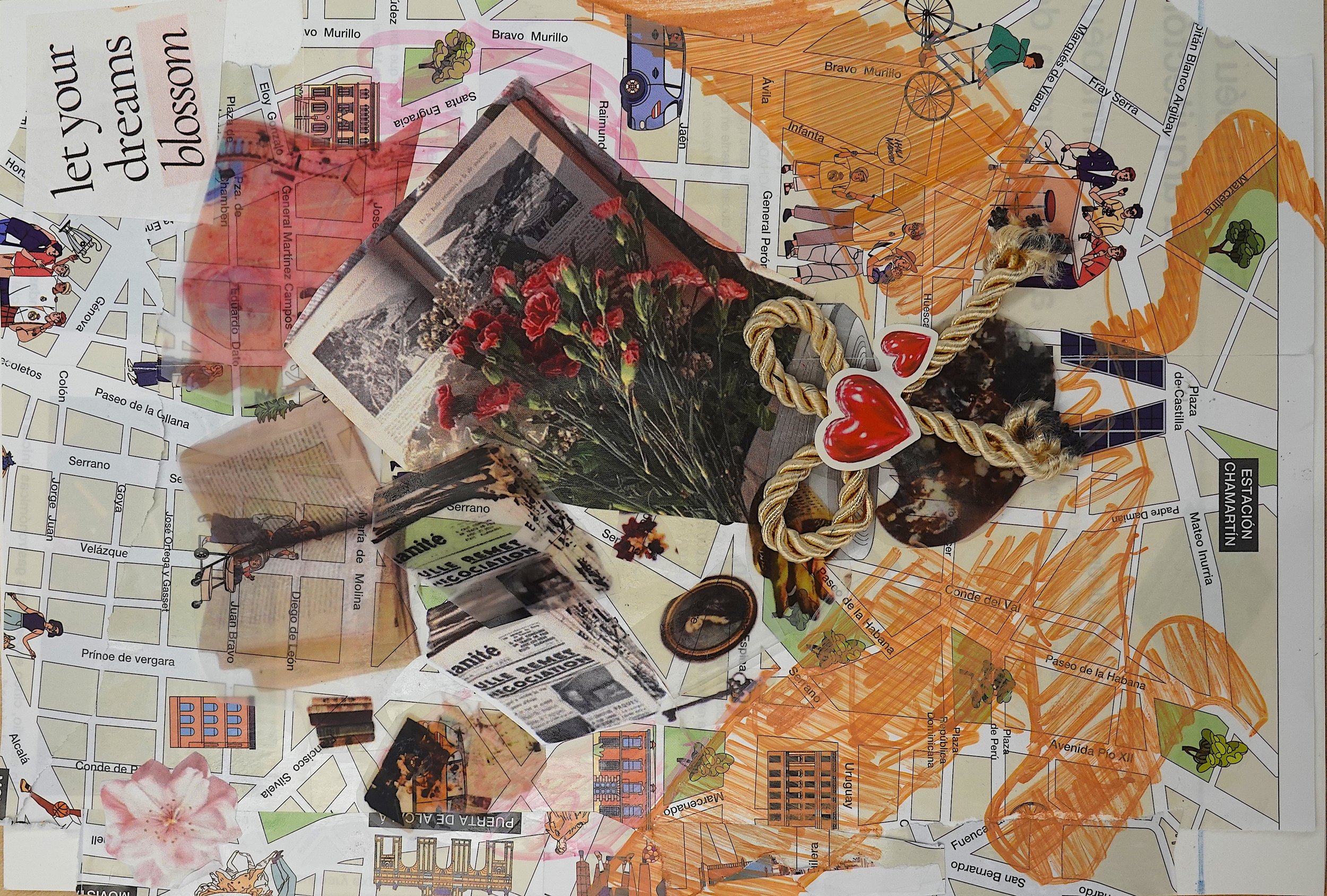
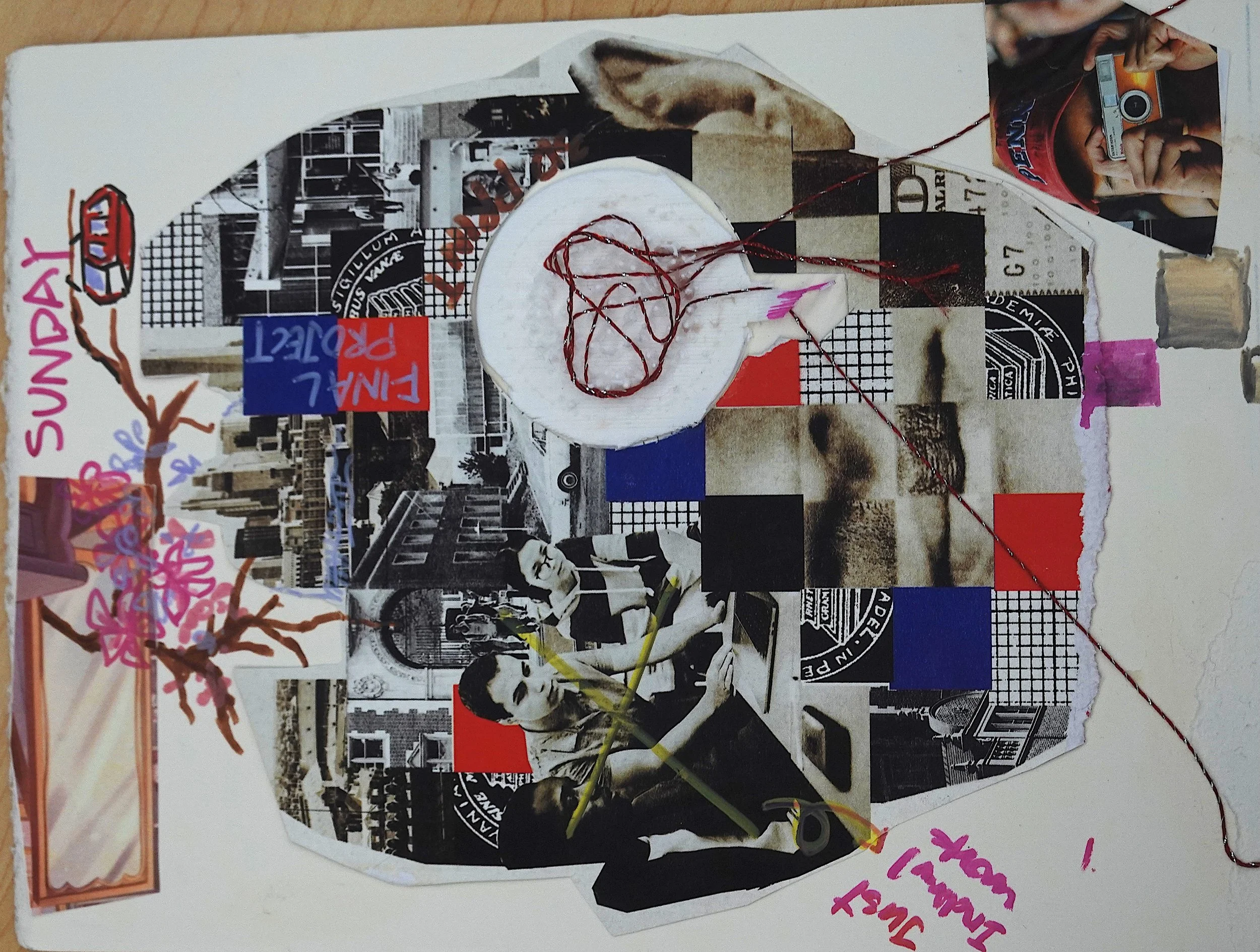
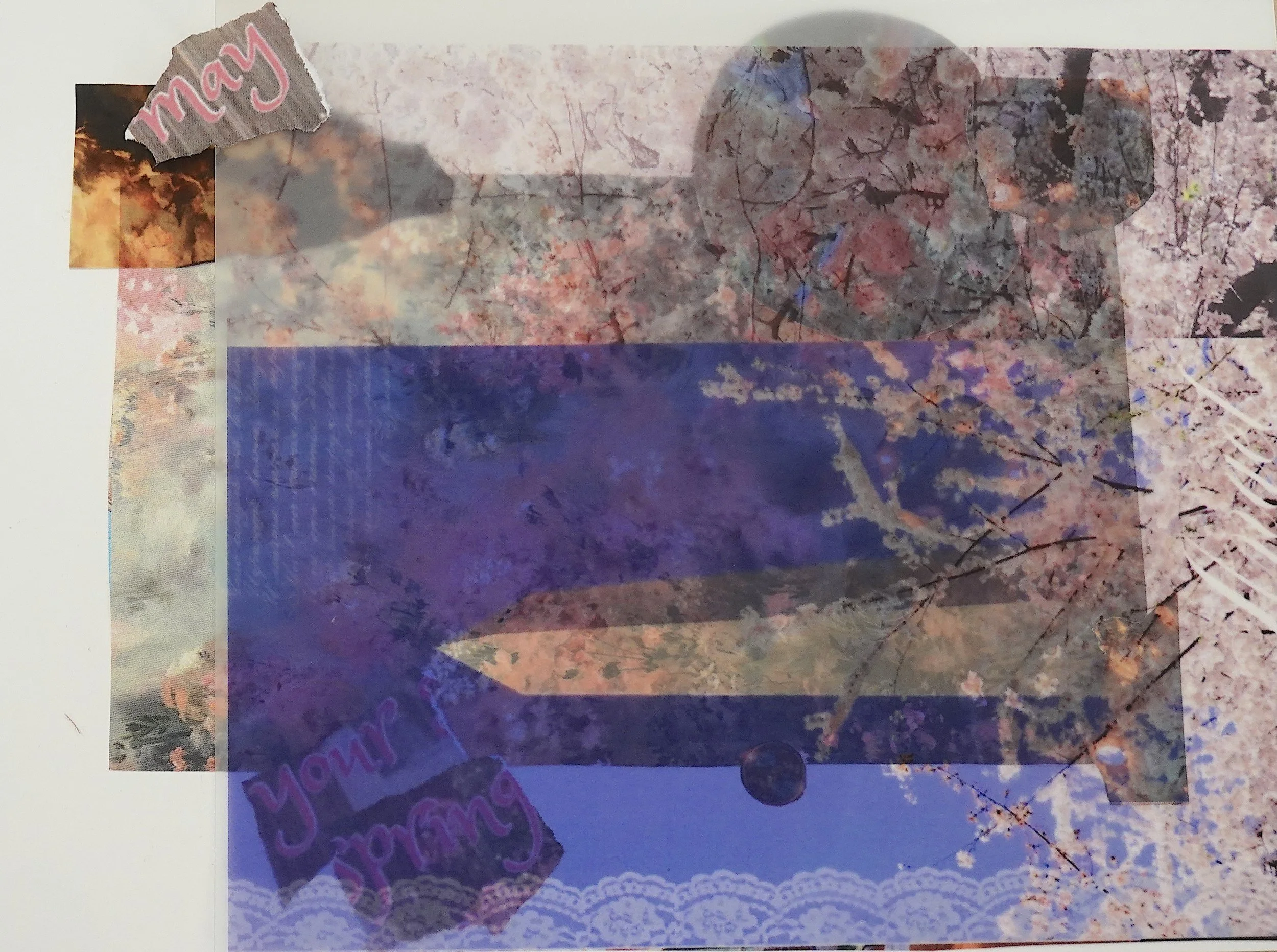
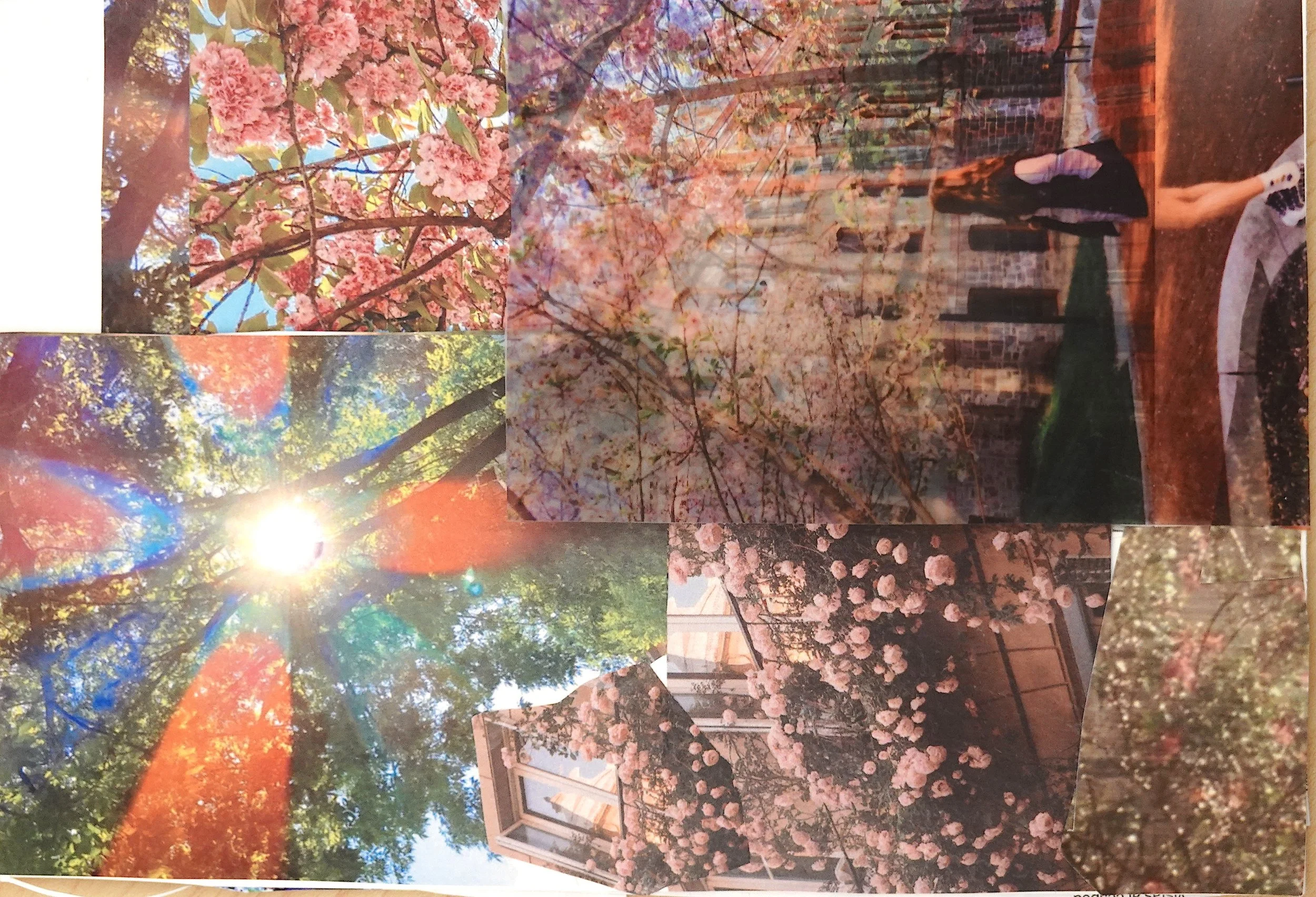
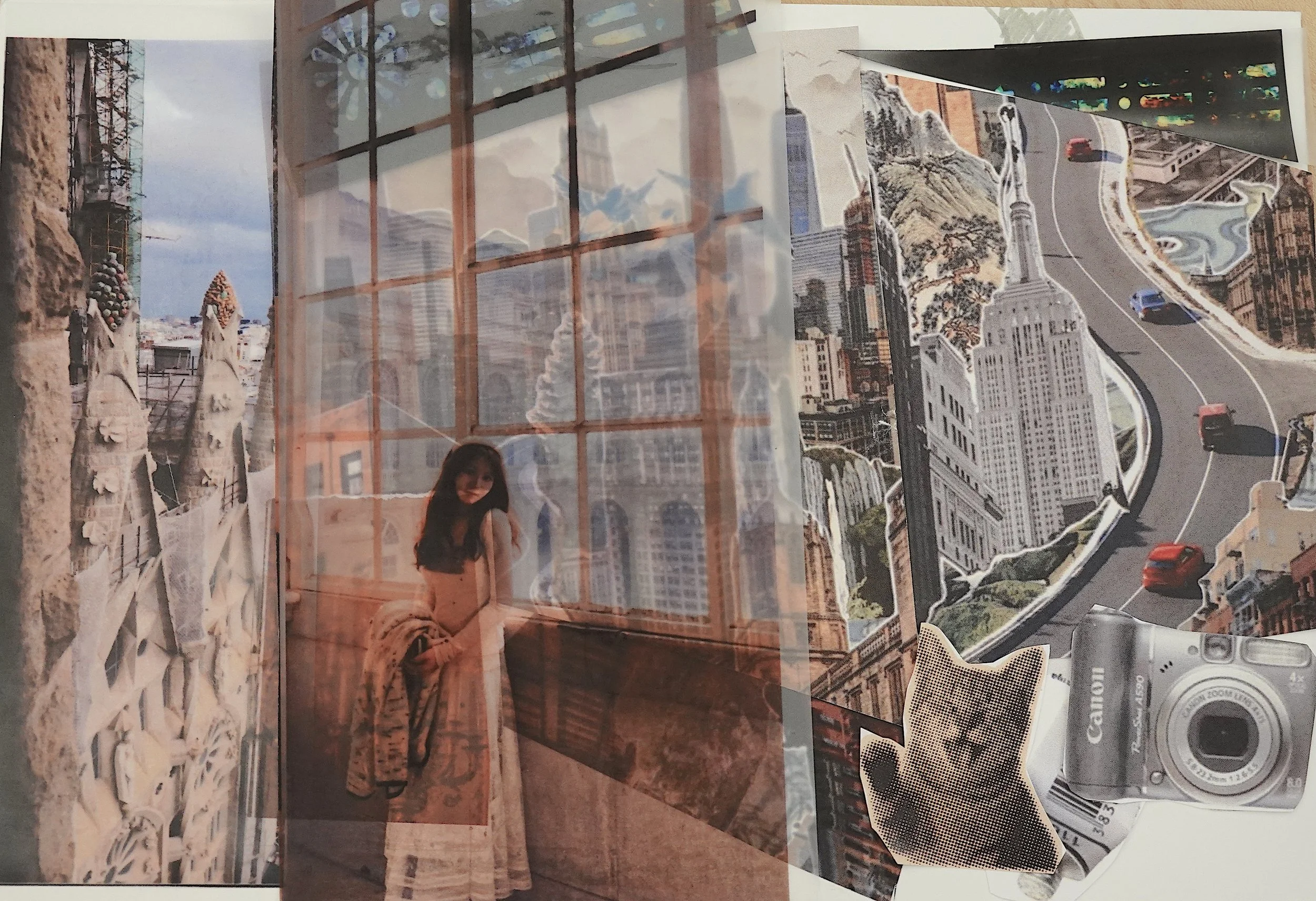
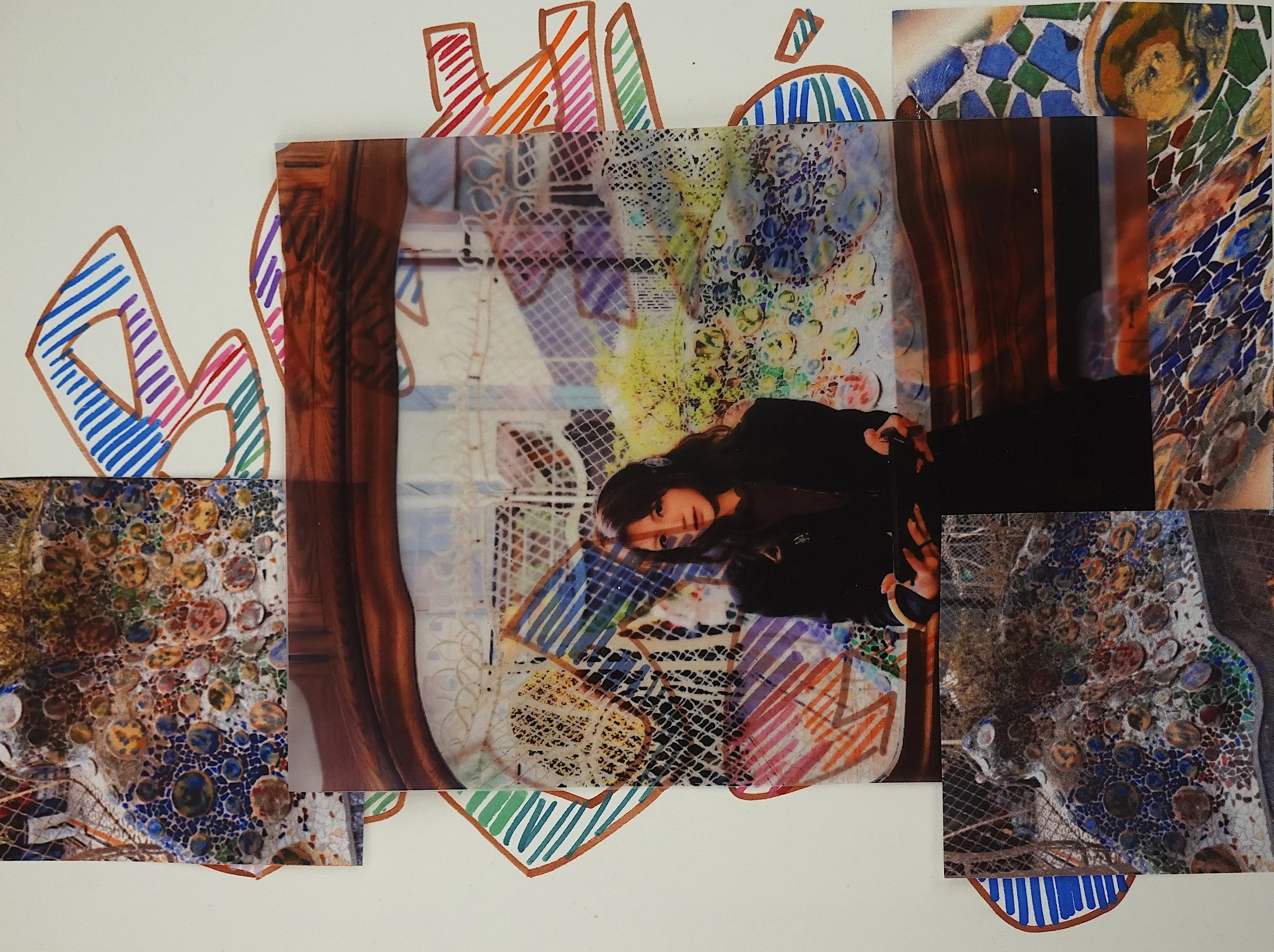
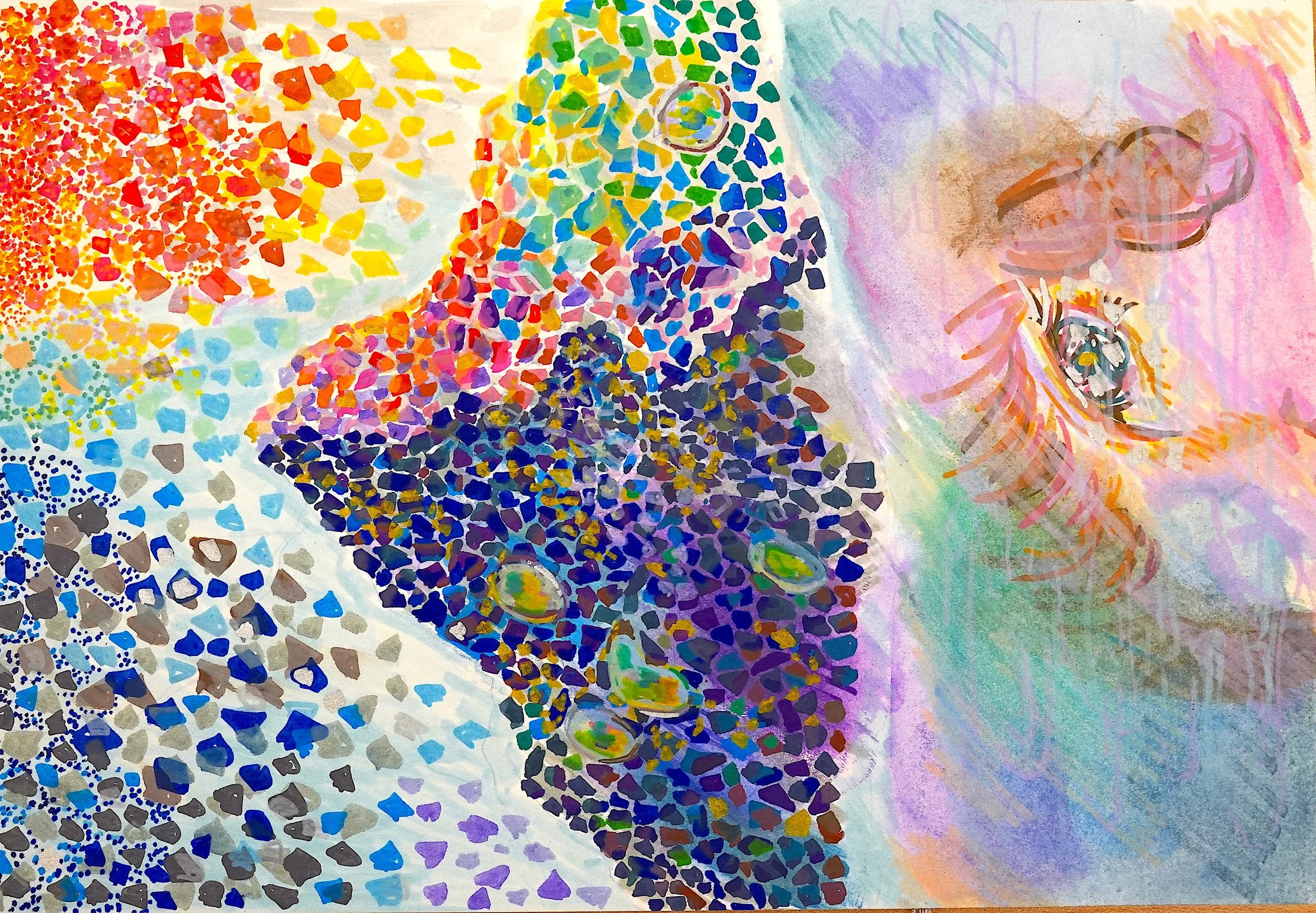
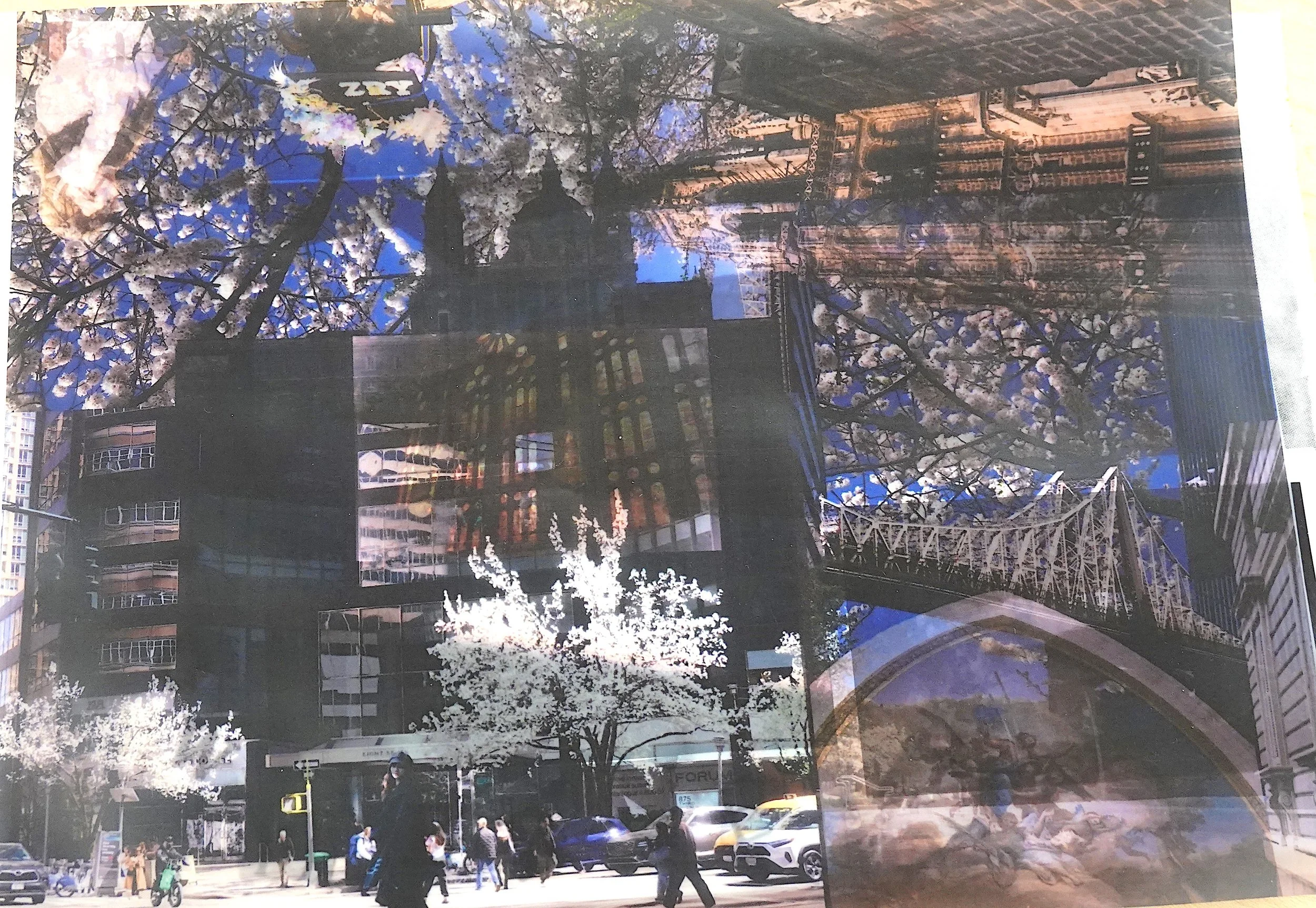
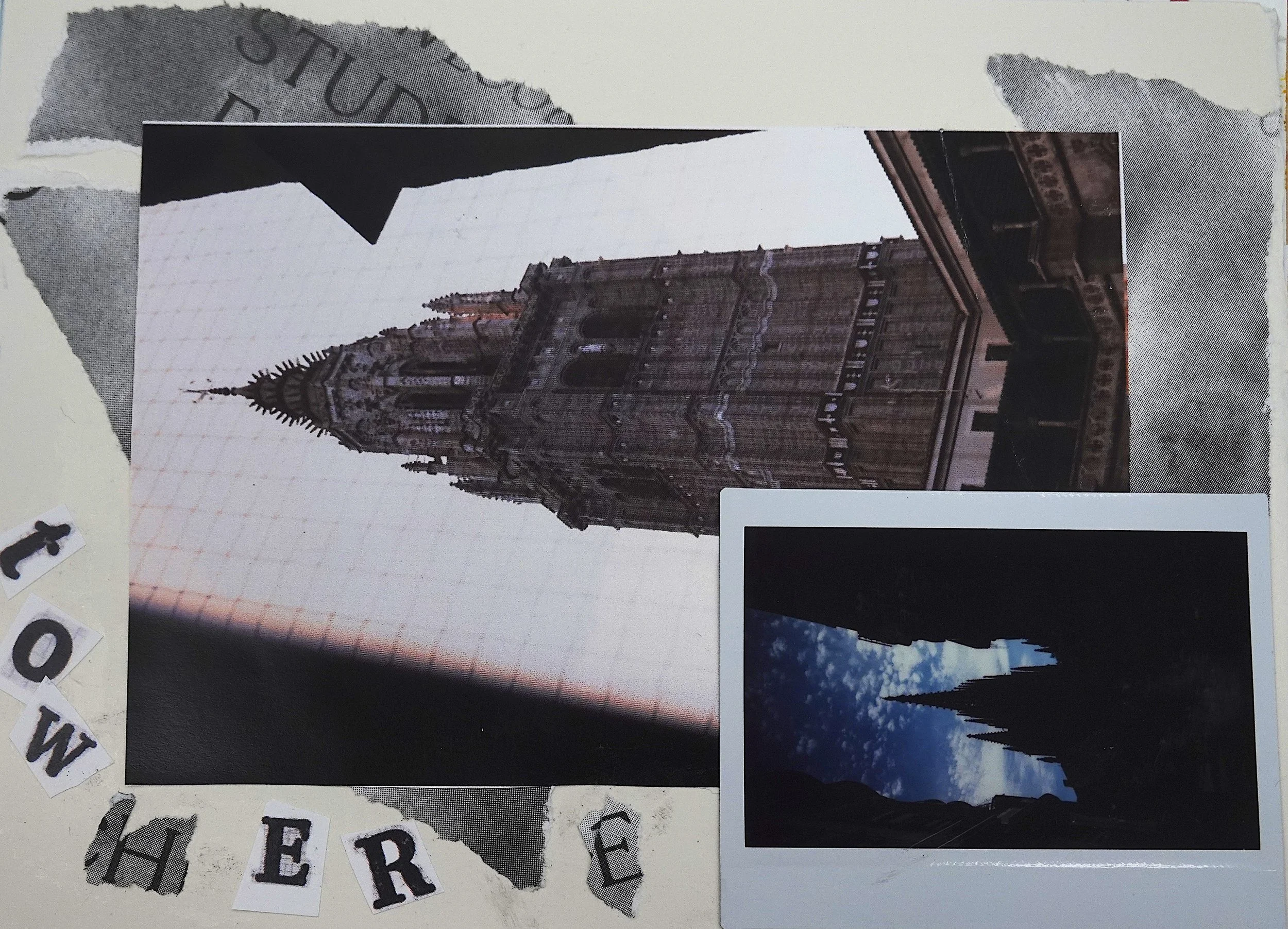
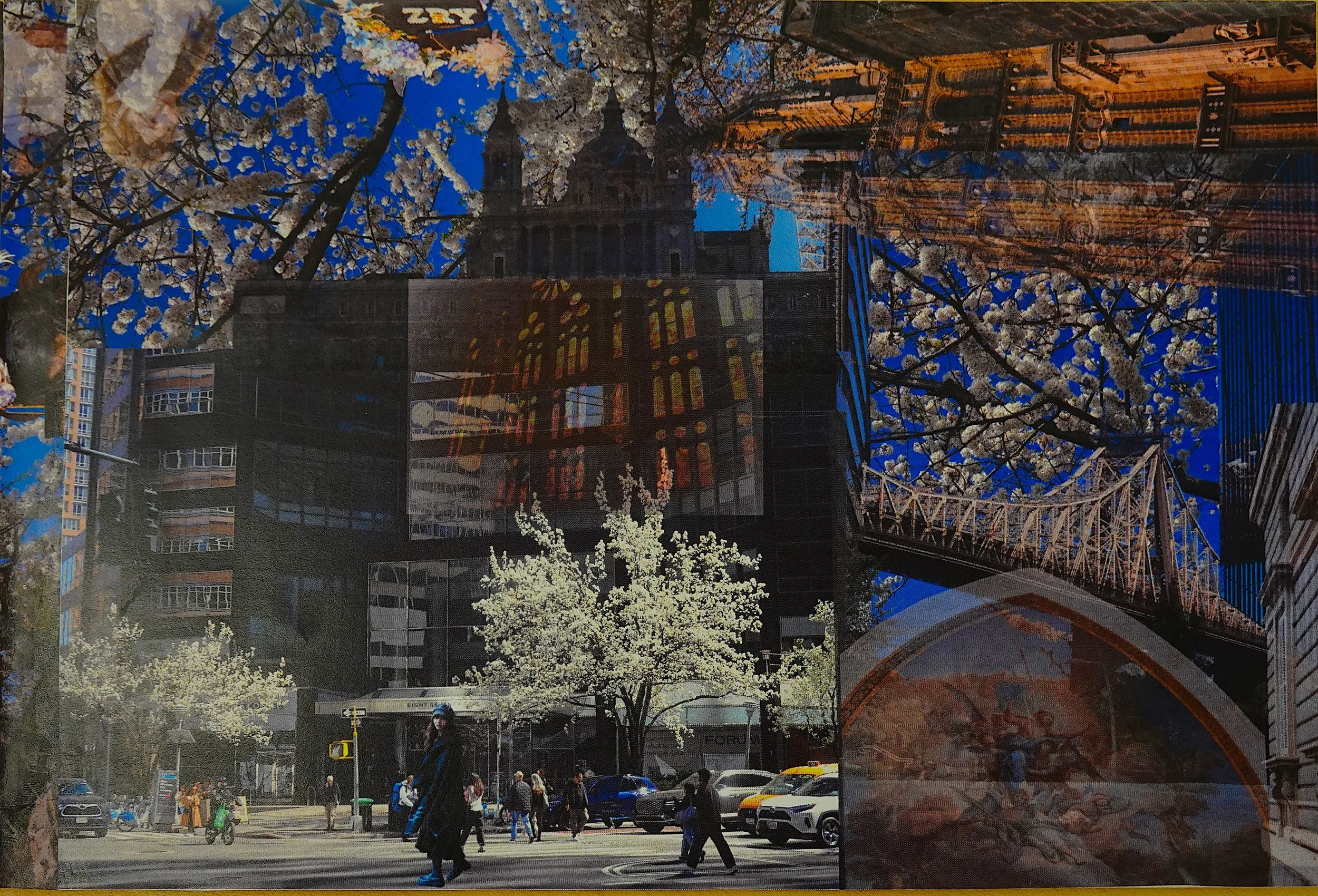
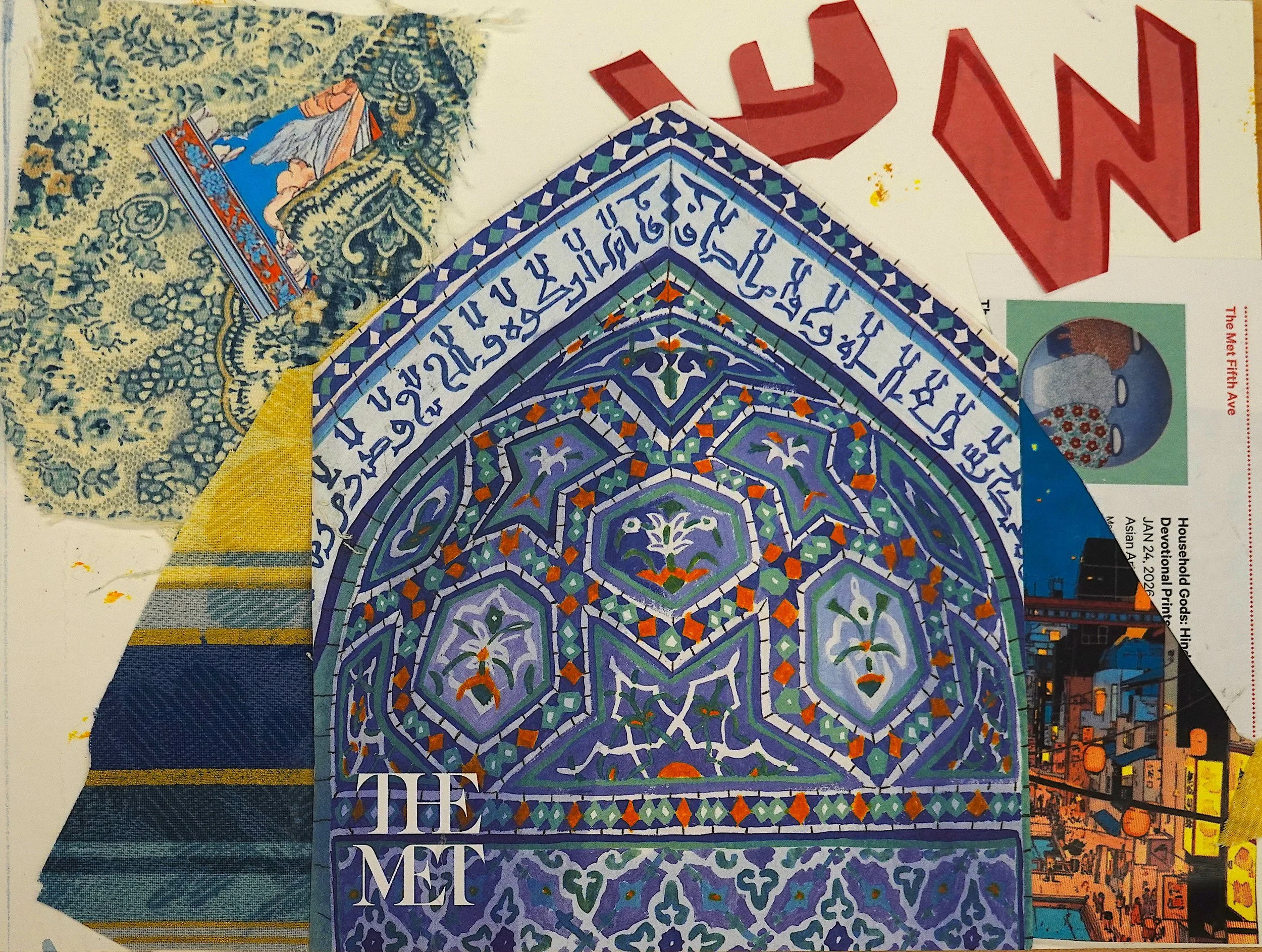
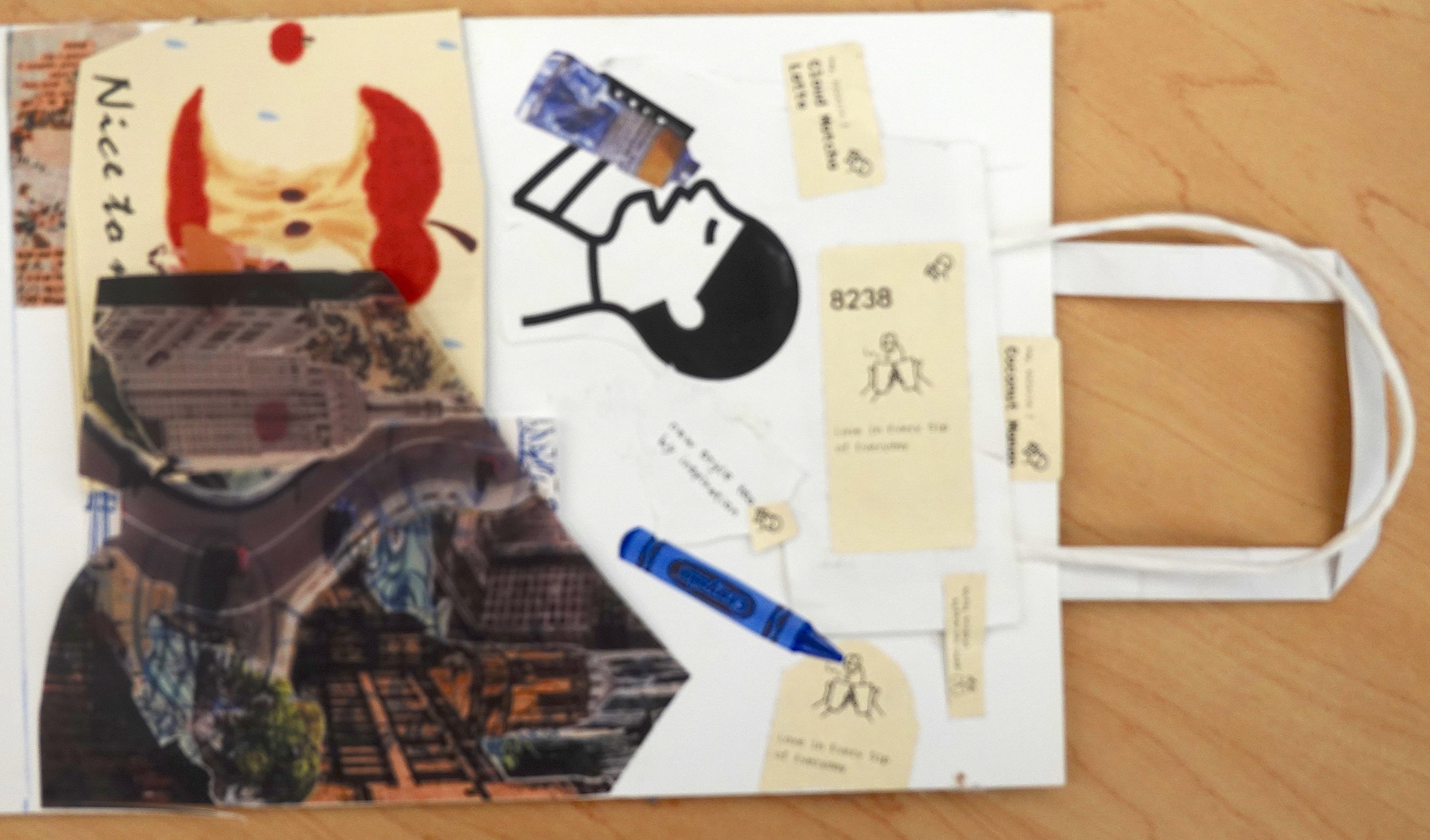
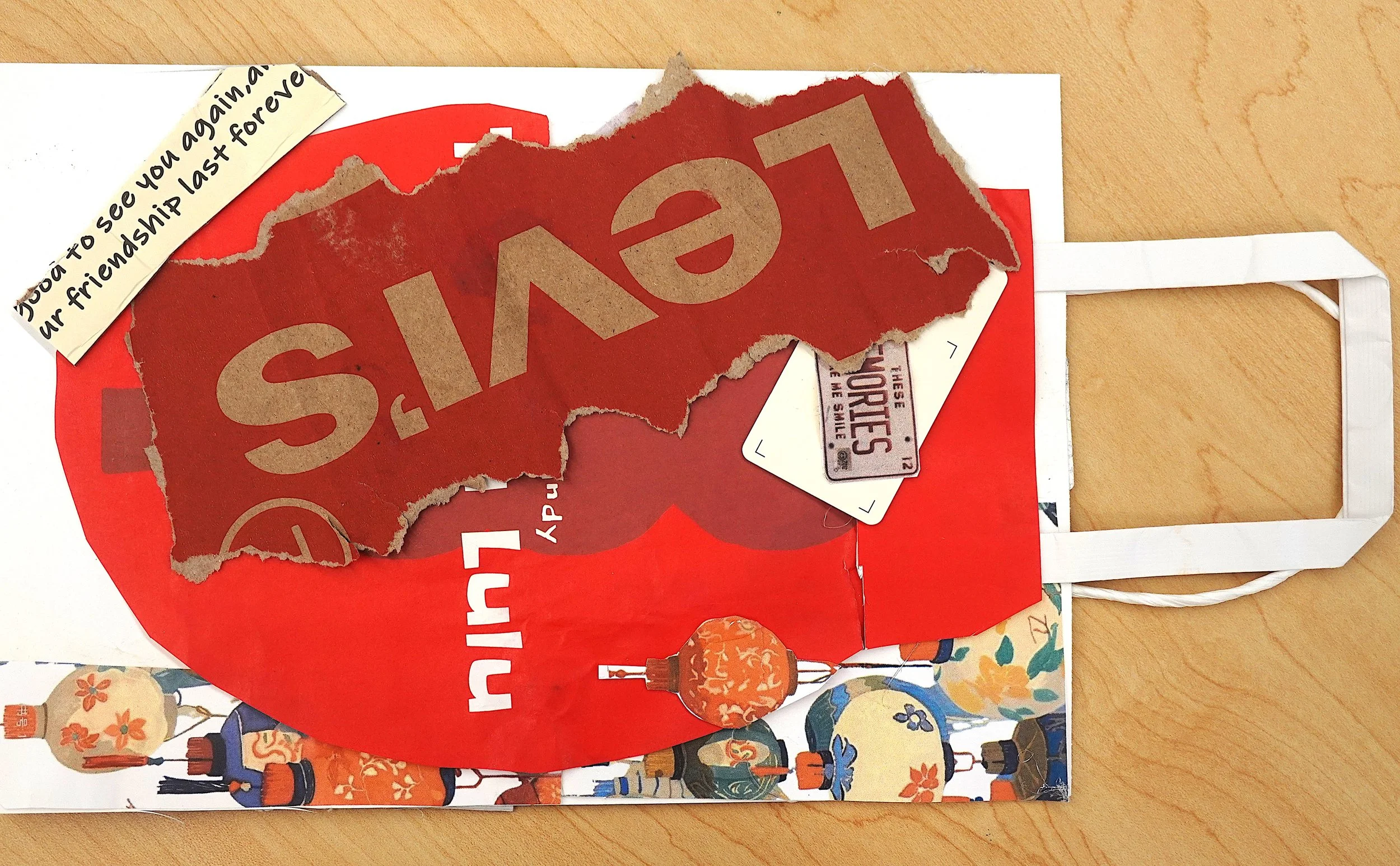
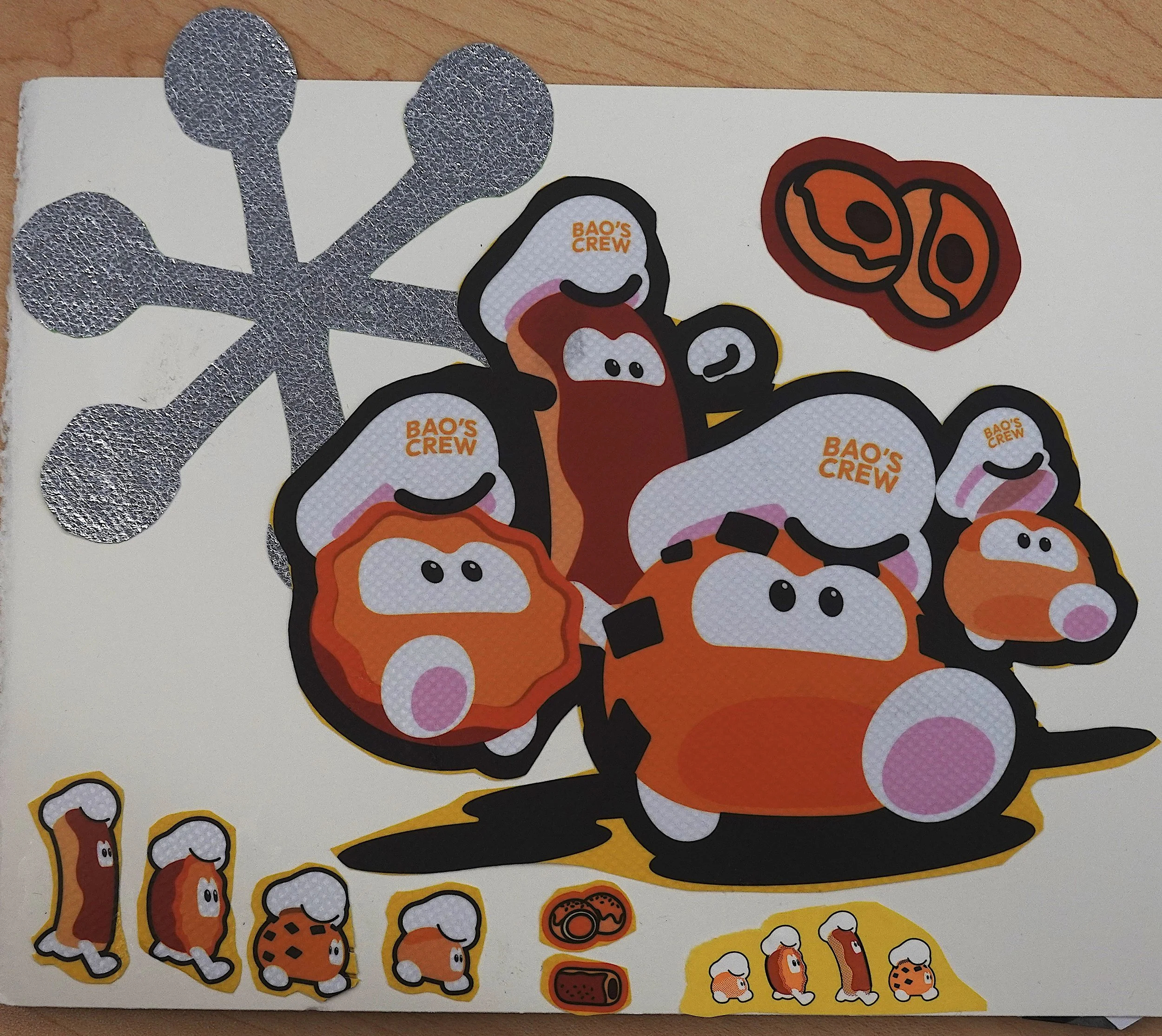
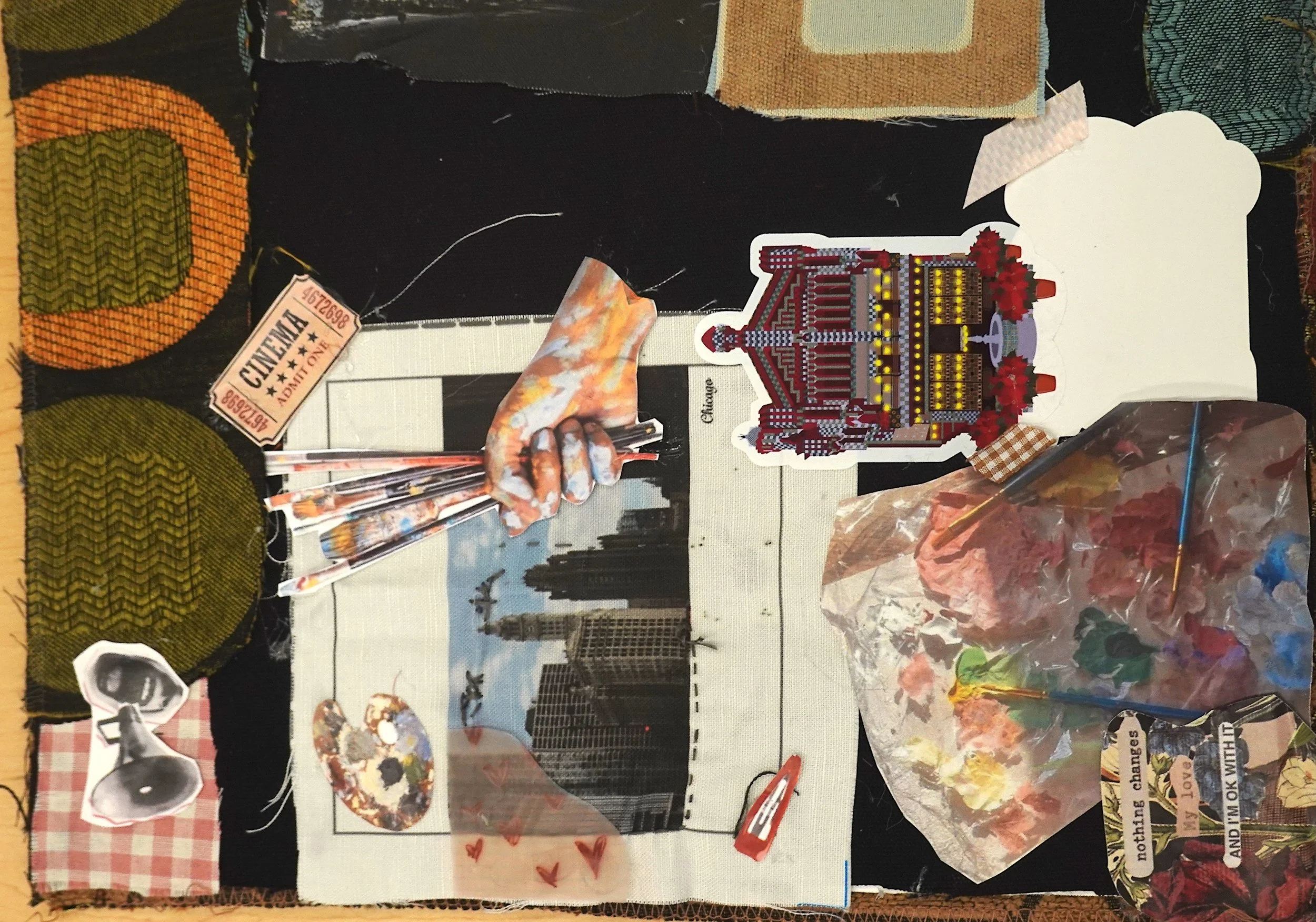
Sketchbook Reflection
Throughout this sketchbook practice, I gradually came to realize that a sketchbook is not merely a place to record sketches and preserve inspiration but a space for continuous thinking, questioning, experimentation, and reflection. Especially as I focused on waste art as the core direction of my visual education project, the sketchbook became a “research site” for me: I not only experimented with materials, composition, and teaching activities within it but also constantly reflected on how waste can be reimagined, renamed, and transformed into an artistic medium with educational and social significance.
At first, my understanding of the sketchbook was closer to the traditional notion of a “drawing practice book.” I thought it was mainly for completing visual sketches, recording design ideas, or preparing for final works. But the freedom of this course led me to discover that the sketchbook is more like a process-oriented space. It allows me to include incomplete ideas, preserve failed attempts, and move back and forth between visuals, text, materials, and pedagogical reflections. For example, when creating work centered on “waste art,” I observe everyday items such as scrap paper, packaging materials, bubble tea decorations, plastic pieces, old receipts, or other discarded objects. I don’t just ask, “What can be made from these?” but go further to ask, "Why are these things considered trash?” “Who determines an object’s value?” and “If I bring these into the classroom, how might students reinterpret consumption, the environment, and social responsibility?”
This experience has helped me gain a deeper understanding of critical arts-based practices. Through art, I pose questions, challenge taken-for-granted notions, and encourage learners to engage in critical thinking rooted in their own life experiences. Waste art inherently possesses this critical potential. Waste comes from everyday life; it may seem ordinary, of little value, or even “unclean” or “not worth keeping.” Yet when brought into sketchbooks and classrooms, it becomes material that can be analyzed, reconfigured, and re-narrated. In this way, art is not merely aesthetic training but a means to help students understand environmental issues, consumer culture, resource allocation, and social value judgments.
In terms of arts integration in K-12 classrooms, sketchbook practice has also shown me how art can naturally connect with other disciplines. Waste art can be integrated with environmental protection, recycling, and material properties in science; linked to community, consumption, and urban life in social studies; and combined with narrative, descriptive, and reflective writing in language arts. For example, students can first observe the shape, texture, and origin of a piece of waste, then write down its original purpose, the reason it was discarded, and the story of how it might be repurposed. Afterward, they can reimagine it through collage, rubbings, installation, or mixed media. This process transforms art from a standalone subject into a learning approach that connects observation, expression, critical thinking, and action. Often, art classes emphasize attractive, complete, and standardized materials—such as clean paper, paints, brushes, and ready-made craft supplies. But waste art reminds me that the materials themselves can become part of the lesson. Discarded materials bear the traces of daily life and carry social messages. They help students realize that art doesn’t necessarily depend on expensive or specialized materials; rather, art can begin with the most ordinary things around us. This is crucial for creating a more inclusive and accessible art classroom. Students from diverse backgrounds can all find materials in their own living environments and bring their personal experiences into their creative work.
Of course, in the process of developing sketchbook practice, I’ve also encountered some issues and challenges. The first challenge is how to balance “openness” with “instructional objectives.” Sketchbooks are inherently free-form, but transforming them into K–12 classroom activities requires consideration of student age, class time, material safety, instructional steps, and learning objectives. I had to ask myself: If students feel overwhelmed by waste materials and don’t know where to start, how much guidance should a teacher provide? If I offer too many examples, might that limit students’ imagination? If I leave it completely open-ended, might students lose their way? The second challenge concerns the ethical and hygiene issues surrounding waste art. Not all waste materials are suitable for the classroom, especially in a K-12 setting, where teachers must ensure materials are safe, clean, free of sharp edges, and pose no allergy risks. Consequently, I began to consider how to select “safe waste materials,” such as clean paper packaging, cardboard boxes, fabric scraps, bottle caps, and the like. The third challenge is figuring out how to prevent waste art from becoming merely “eco-themed crafts.” Truly critical arts-based practice should guide students to think more deeply about the social issues underlying the materials. For example, why do certain communities face more waste and pollution? How does our daily consumption generate waste? Does reuse truly solve all environmental problems, or is it merely a starting point? In the classroom, teachers need to help students connect their artistic creation to a broader social context through questioning, discussion, and reflective writing.
Overall, this sketchbook practice has deepened my understanding of the processual, critical, and interdisciplinary potential of arts education. A sketchbook is not merely a preparatory stage leading to a final piece but a space for the continuous generation of questions and meaning. Through “waste art,” I’ve learned that art can help students re-examine everyday objects and rethink concepts of value, resources, and environmental responsibility. It also showed me that in K-12 classrooms, arts integration should not merely be about making the curriculum “more interesting" but should enable students to develop deeper observational skills, expressive abilities, and critical awareness through art. For me, the most important takeaway from this experience is that art education can begin with the most ordinary—and even the most overlooked—materials, guiding students to discover the complexity of the world and imagine ways to change it.
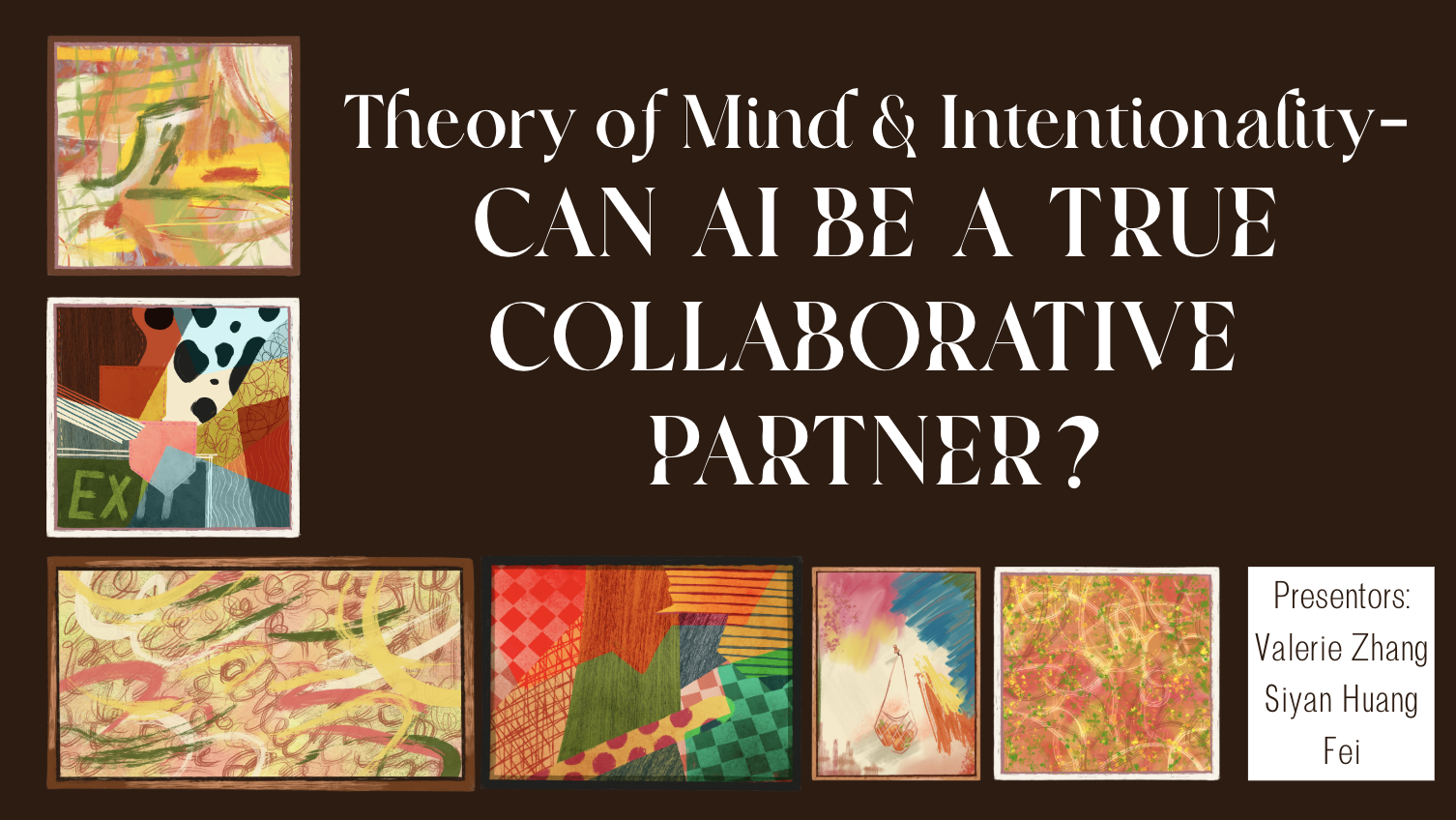
Arts-Integrated Lesson
AI & Collaborative Partnership
When designing this class, my initial intention was to explore the boundaries between AI and art. In today’s technological landscape, I believe students need to maintain a certain sensitivity toward AI art: they should neither reject it outright nor use it uncritically, but rather learn to understand and evaluate it critically and apply it when appropriate. Therefore, I structured this class as a philosophical discussion on AI, art, imagination, and collaboration.
At first, I assumed younger students would be more open to AI and AI art. In my previous experience at art schools, many art students were highly critical of AI, even going so far as to label AI art “slop”,“corpse art,” arguing that it merely patches together existing images and styles rather than constituting genuine creation. However, this perspective also led me to reflect that collage itself creates new meaning by collecting, cutting, and reassembling existing materials. Therefore, I deliberately chose collage as the classroom activity, hoping students would use this process to reflect on the similarities and differences between AI-generated art and human creation.
Regarding the theme, I didn’t simply have students conduct a basic AI image experiment; instead, I asked them to create and discuss the differences between AI imagination and human imagination. The process turned out to be somewhat unexpected, as I discovered that the class’s openness toward AI art was actually lower than I had anticipated. I had originally assumed that strong opposition to AI art would come primarily from professional art students, but this class showed me that even those without an art background often remain wary of AI’s involvement in the creative process.
Through the students’ open discussion, I also gained a new understanding of the limitations of AI art. When discussing artistic creation, people focus not merely on the final visual outcome but place greater value on the creative process itself. The value of art stems from choices, struggles, failures, revisions, emotional investment, and personal experience—processes that AI-generated images often bypass. While AI can quickly produce a result that appears complete, it may also omit the very elements that most resonate with viewers. For me, this lesson wasn’t just about guiding students to think about AI; it also allowed me to relearn from their reactions that the importance of artistic creation lies not merely in the images it produces but in how people think, feel, and make decisions throughout the process.
-
Art is everywhere—waste art & daily art.
My teaching philosophy is grounded in the core belief that art does not exist solely within institutionalized spaces but is deeply embedded in the experiences of everyday life. As Goldberg points out, art education can help students rediscover meaning in their lives through connections with their communities and everyday environments (Goldberg, 2017, Chapter 11, pp. 229–232). However, within traditional educational systems, art is often viewed as a separate—or even insignificant—subject, causing students to overlook its presence in their daily lives. Therefore, the key to art education lies not in imparting more knowledge but in guiding students to rediscover the world of art in which they already exist.
Under this philosophy, I view learning as a student-centered, multimodal process of meaning-making. Learning should not rely solely on linguistic systems but should unfold through multiple modes of expression, including visual, bodily, and symbolic means. Siegel (1995) argues that “transmediation” fosters generative thinking because students establish connections between different symbolic systems, thereby actively constructing meaning (pp. 455–457). This perspective resonates with Eisner’s (2002) argument that the perceptual, judgmental, and imaginative capacities cultivated through artistic practice play a crucial role in cognitive development (pp. 3–5). Similarly, Goldberg emphasizes that learning can be achieved through diverse forms of expression, which collectively constitute the pathways through which students understand the world (Goldberg, 2017, Chapter 6, pp. 102–105). Based on these insights, I focus particularly on the potential of “waste art” (art made from discarded materials) and “daily art” (art from everyday life) in teaching. Materials from daily life—such as old paper, packaging, or overlooked scraps—are not meaningless objects but rather media that carry experiences and memories. When these materials are reconfigured and transformed, they become tools for expression and storytelling, enabling students to understand abstract concepts through concrete, tactile processes.
This material-based approach to learning also aligns with the views of Hall et al. (2007), who argue that visual and hands-on practices can serve as vital pathways for documenting experiences and developing critical thinking (pp. 194–195). Each individual’s unique life experiences and background can lead to distinct perspectives on the same subject. Creating art by collecting readily available materials from their surroundings cultivates children’s observational skills, encourages them to reflect on and appreciate the details of daily life, and serves as an expression of their creativity. Goldberg notes that art education encourages understanding the world through exploration and experimentation rather than relying on fixed answers (Goldberg, 2017, Chapter 7, pp. 128–131). Artworks composed of everyday objects made from different materials and media contain unique meanings imbued by the creator through a process of reflection.
In this process, learning no longer revolves around standardized outcomes but shifts toward open-ended inquiry and the generation of meaning. Broderick (2015) notes that artistic practice can serve as an inquiry process, enabling learners to develop critical understanding and reflective abilities through creation (pp. 107–108). Through cutting, collaging, and reconfiguring, students not only engage in visual expression but also continuously construct the relationship between their own experiences and the world. This approach to learning prompts students to rethink the definition of “value”: the significance of art does not depend on the materials themselves, but rather on how people ascribe meaning to them.
Within this instructional framework, the teacher’s role is no longer that of a mere transmitter of knowledge, but rather that of a designer and facilitator of the learning environment. I focus on how to use multimodal instructional design to help students establish connections between different systems of expression and develop understanding through practice. As Goldberg emphasizes, arts integration can foster the development of creativity, critical thinking, and communication skills (Goldberg, 2017, Chapter 8, pp. 162–165). Therefore, the goal of teaching is not merely skill training, but rather supporting students in developing multidimensional cognitive and expressive abilities.
Ultimately, I hope students will realize that art is not a distant or abstract entity, but rather a way of perceiving the world that is embedded in daily life. When students learn to discover art in their lives and express themselves through the transformation of materials, they acquire not only creative abilities but also the capacity to continuously observe, understand, and reconstruct the world. This capacity allows learning to transcend the classroom, becoming a process of continuous creation. The collage materials used in this book include everyday items such as packaging boxes, discarded cut-out scraps, scrap fabric, and even beverage paper bags and 3D printing waste. By reimagining these materials—often deemed useless in daily life—and recombining them in various ways to create aesthetically pleasing works, I hope this book will inspire more people and foster a greater appreciation for art education.
-
From “Making Art” to “Understanding the World Through Art”
Through this course, my understanding of art education has gradually shifted from “how to incorporate art activities into the classroom” to “how to reinterpret learning, knowledge, and student experiences through art.” At the beginning of the course, I tended to view art primarily as a form of expression or a teaching tool to make the classroom more engaging. However, through a semester of readings, sketchbook practice, mixed-media collage, image transfer, stamping, working with alternative surfaces, and the final creation of a Visual Teaching Philosophy book, I gradually came to realize that critical arts-based practice is not about using art as classroom decoration, nor is it about producing a beautiful piece of work; rather, it is about using art as a means of inquiry, reflection, and meaning-making. It helps students see their own experiences and helps teachers rethink what constitutes knowledge, whose experiences can enter the classroom, and how learning occurs.
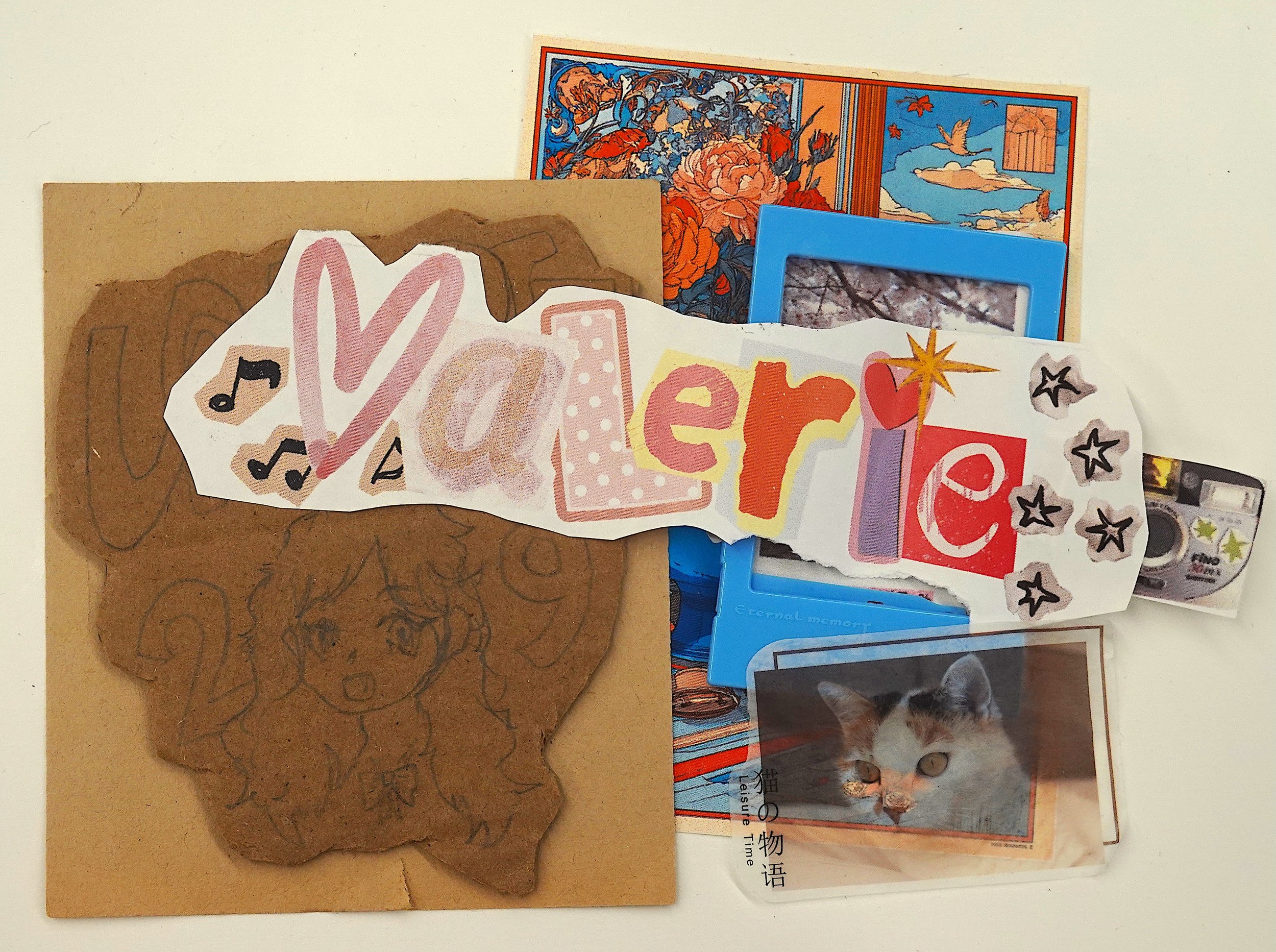
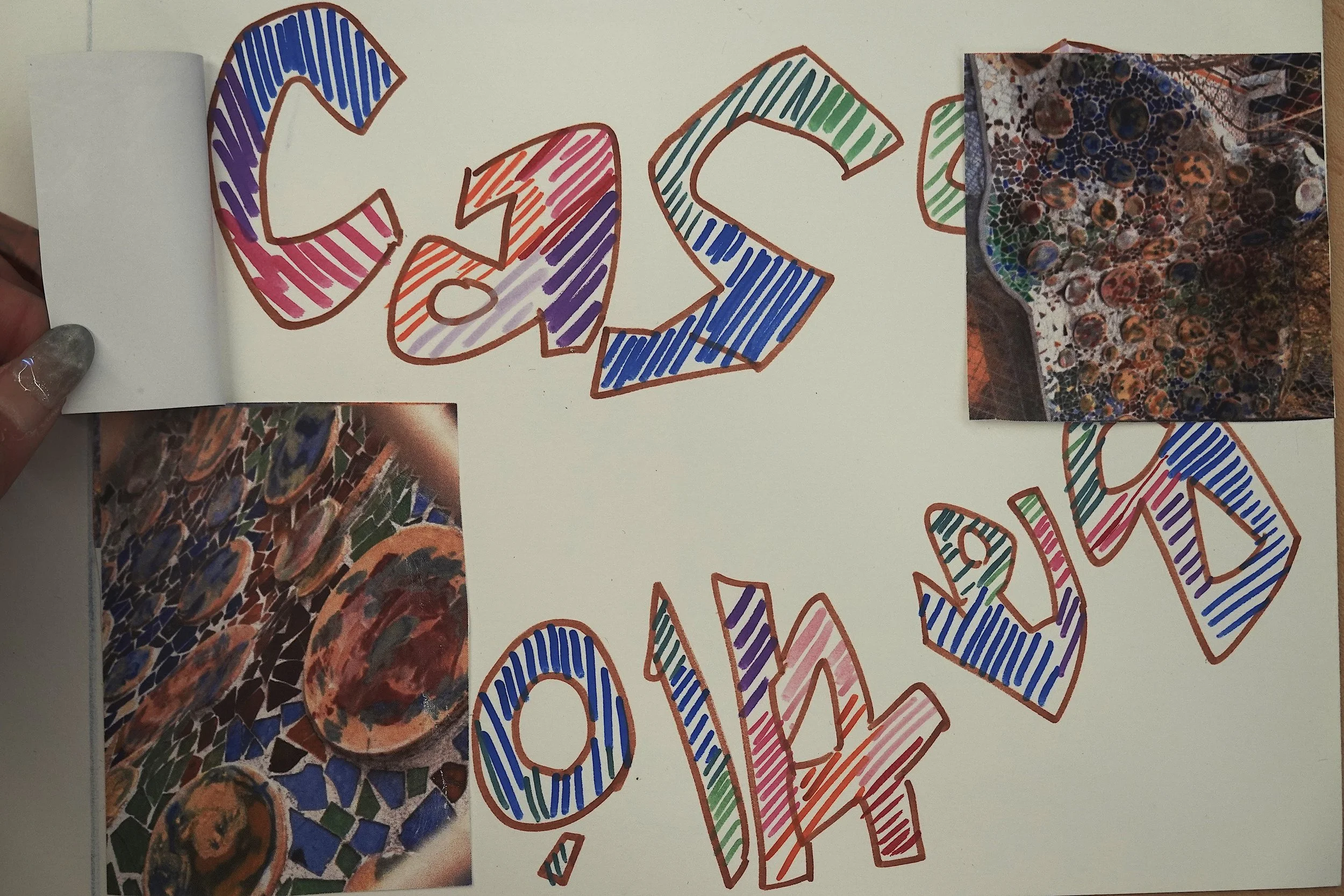
My first key insight from this course was that art education must begin with students’ identities and life experiences. Kim’s (2021) discussion of names, language, identity, and power reminded me that seemingly simple classroom activities can also involve students’ cultural identities, linguistic experiences, and sense of belonging (pp. 226–227). This made me realize that art practice should not merely be “free expression,” but should create a space where students’ personal experiences are taken seriously. The name sketchbook activity in Week 1 exemplifies this: a name is not merely text, but can become a visual narrative of identity through collage, color, marks, and materials. In other words, arts-based pedagogy does not begin with abstract knowledge, but with the stories, memories, and bodily experiences that students already possess.
The second shift stems from my understanding of sketchbook practice. Hall (2000) notes that the sketchbook is not only a research tool for artists but can also help students develop self-awareness, independence, and observational skills (pp. 198–201). Thus, the sketchbook is not merely a collection of drafts but a site for thinking. It allows for the coexistence of the unfinished, the uncertain, and repeated attempts. This is particularly important for K–12 classrooms, where students are often required to submit “correct answers” or “finished products,” whereas sketchbook practice emphasizes the traces, choices, and changes inherent in the process. This process-oriented approach gives students the opportunity to see how their thinking unfolds, rather than being evaluated solely on the final outcome.
Building on my previous understanding in the past semester, I have come to realize that multimodal learning is not merely about using different media but about recognizing that students have multiple ways of perceiving the world. Siegel’s (1995) concept of transmediation emphasizes that when students transfer meaning from one symbolic system to another—for example, from text to images, movement, or sound—they must actively create connections, thereby fostering generative and reflective thinking (pp. 455–457). This, in my view, is the core of arts integration. Traditional classrooms often place language at the center of knowledge expression, but if students are only allowed to demonstrate their “understanding” through text, many complex feelings, relationships, and imaginations are excluded. Through drawing, collage, physical movement, sound, space, and materials, students can access knowledge in diverse ways. Especially in K–12 classrooms, multimodal practices lower the barriers to expression, enabling students with different linguistic backgrounds, learning styles, and abilities to participate in the construction of meaning. Eisner (2002) has also helped me rethink the relationship between art and cognition. He argues that the modes of thinking required by art are not confined to art classrooms but are connected to curriculum design, teaching practices, and the learning environment (pp. 3–5). Therefore, the value of art education lies not merely in producing students who “can draw" but in cultivating students’ perceptiveness, judgment, imagination, and tolerance for complexity. Artistic activities often lack a single correct answer; students must continually make choices among materials, forms, emotions, and meanings. This process of choice is, in itself, higher-order thinking. It teaches students how to navigate uncertainty, how to create possibilities within constraints, and how to transform vague ideas into visible forms.
Goldberg’s theory of arts integration further helped me apply these insights to K–12 subject-area classrooms. In Chapter 1, the distinctions between “art as text,” “arts integration,” and “arts education” helped me understand how art can be incorporated into learning as a text and a way of understanding the world (pp. 3–4). Art is not merely a standalone subject but can serve as a pathway for interpreting history, science, mathematics, and social experiences. In Chapters 2–3, Goldberg further proposes that arts integration is a learning approach and discusses what it means to “become a learner” (pp. 20–23). Thus, true arts integration is not about making math class “a little more fun” or “decorating” reading class, but rather about making art a method for students to engage with concepts, express understanding, and generate questions. For example, students can use collage to understand character relationships, dance to grasp symmetry and repetition in geometry, and visual documentation to comprehend scientific observations. This understanding has also transformed my perspective on “materials.” For my final VTP book, I chose to use “waste art” and “daily art,” incorporating packaging boxes, discarded paper bags, scrap paper, fabric scraps, and 3D printing waste. In the past, these materials might have been considered useless trash, but in artistic practice, they can be reassembled and revalued, becoming a medium for expressing memory, observation, and imagination. This resonates with Goldberg’s (2021) discussion of science and art in Chapter 7: art can support discovery, observation, and experimentation, allowing students to understand knowledge by exploring materials and phenomena in the world (pp. 217–220). For K–12 students, waste art is particularly valuable because it shows children that art is not distant and does not necessarily rely on expensive materials. Art is all around them; they simply need guidance to discover the beauty and meaning in everyday objects.
Whitelaw’s (2021) discussion of collage praxis is also closely related to my final project. Collage is not simply the act of pasting different materials together, but rather a practice of knowledge production: it acknowledges that knowledge itself is constituted by fragments, relationships, reconfigurations, and perspectives (pp. 3–6). This has led me to rethink the role of the teacher. A teacher is not someone who hands over complete knowledge to students, but rather someone who designs contexts, provides materials, poses questions, and helps students make connections. The process of collage is also akin to teaching: we bring together students’ prior experiences, course texts, materials, physical activities, and social issues, allowing new meanings to emerge through reconfiguration.
Finally, I believe the core conviction this course has instilled in me is this: critical arts-based practice requires teachers to trust that students enter the classroom with a wealth of experience, and the task of arts integration is to provide these experiences with forms that are visible, tangible, and open to discussion. Leavy’s (2020) discussion of arts-based research supports this view: artistic methods can serve as ways to research and express social experiences, ensuring that knowledge production occurs beyond traditional written essays (pp. 5–9). Therefore, arts education is not ancillary, frivolous, or “extracurricular,” but rather a profound cognitive, social, and ethical practice. If I were to summarize my current understanding in a single sentence, I would say: The purpose of art education is not to teach students how to create artworks, but to help them discover themselves, understand others, and reimagine the world through art. For K–12 classrooms, critical arts-based practice offers a more inclusive, reflective, and creative approach to teaching. It shifts learning from standardized answers to open inquiry, from a single language to multimodal expression, and from classroom knowledge to the lived world. My final VTP book embodies this very understanding: through collages of discarded materials and everyday objects, I hope to convey a pedagogical conviction—that art is always around us, and that education’s responsibility is to guide children to see it, touch it, and use it to create new meaning.
-
VTP
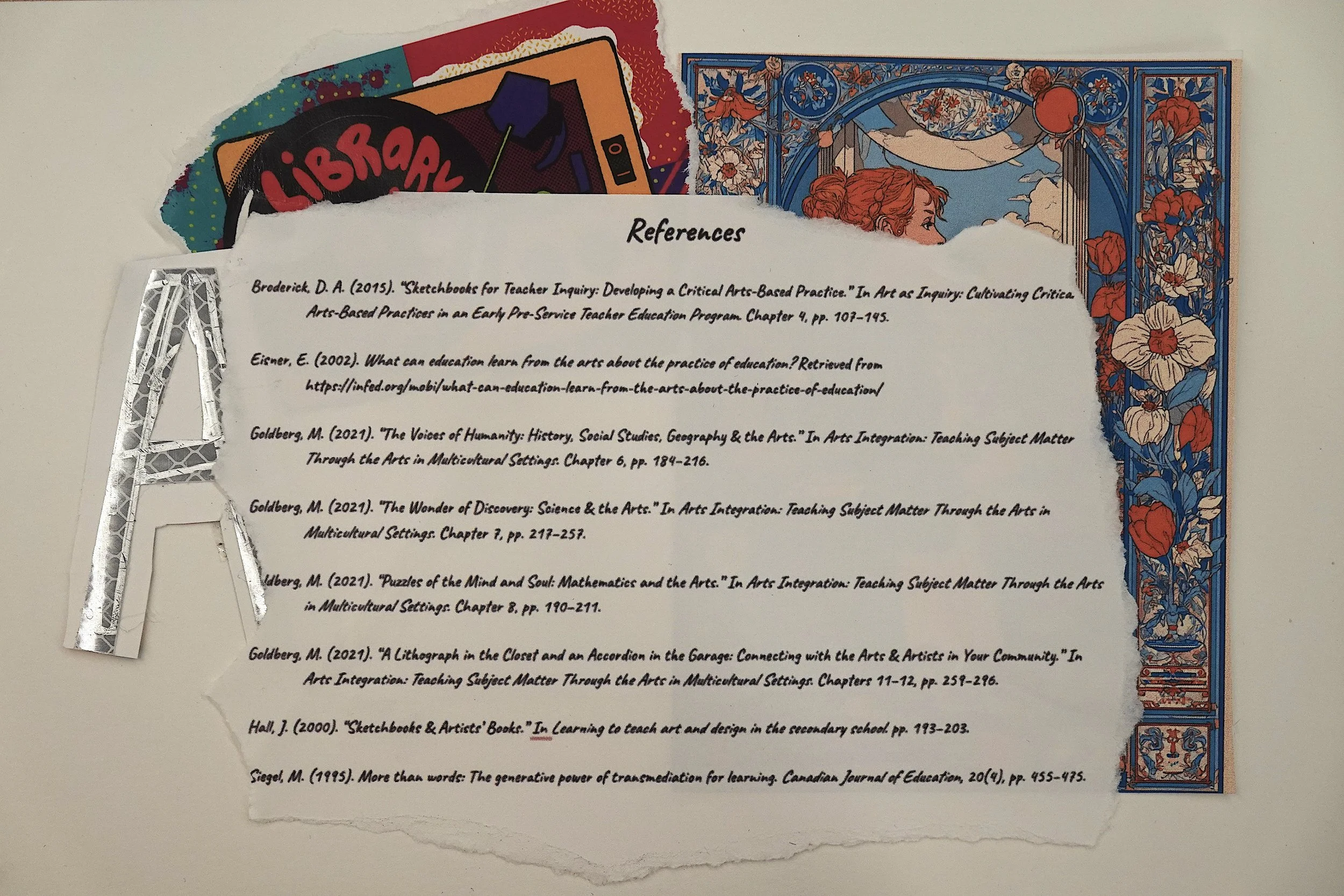
Broderick, D. A. (2015). “Sketchbooks for Teacher Inquiry: Developing a Critical Arts-Based Practice.” In Art as Inquiry: Cultivating Critical Arts-Based Practices in an Early Pre-Service Teacher Education Program. Chapter 4, pp. 107–145.
Eisner, E. (2002). What can education learn from the arts about the practice of education? Retrieved from https://infed.org/mobi/what-can-education-learn-from-the-arts-about-the-practice-of-education/
Goldberg, M. (2021). “The Voices of Humanity: History, Social Studies, Geography & the Arts.” In Arts Integration: Teaching Subject Matter Through the Arts in Multicultural Settings. Chapter 6, pp. 184–216.
Goldberg, M. (2021). “The Wonder of Discovery: Science & the Arts.” In Arts Integration: Teaching Subject Matter Through the Arts in Multicultural Settings. Chapter 7, pp. 217–257.
Goldberg, M. (2021). “Puzzles of the Mind and Soul: Mathematics and the Arts.” In Arts Integration: Teaching Subject Matter Through the Arts in Multicultural Settings. Chapter 8, pp. 190–211.
Goldberg, M. (2021). “A Lithograph in the Closet and an Accordion in the Garage: Connecting with the Arts & Artists in Your Community.” In Arts Integration: Teaching Subject Matter Through the Arts in Multicultural Settings. Chapters 11–12, pp. 259–296.
Hall, J. (2000). “Sketchbooks & Artists’ Books.” In Learning to teach art and design in the secondary school. pp. 193–203.
Siegel, M. (1995). More than words: The generative power of transmediation for learning. Canadian Journal of Education, 20(4), pp. 455–475.
Culminating Essay
Eisner, E. (2002). What can education learn from the arts about the practice of education? Retrieved from https://infed.org/mobi/what-can-education-learn-from-the-arts-about-the-practice-of-education/
Goldberg, M. (2021). “Art as text, arts integration, and arts education.” In Arts Integration: Teaching Subject Matter Through the Arts in Multicultural Settings. Chapter 1, pp. 1–18.
Goldberg, M. (2021). “Art integration: A methodology for learning” & “What does it mean to be a learner?” In Arts Integration: Teaching Subject Matter Through the Arts in Multicultural Settings. Chapters 2–3, pp. 19–60.
Goldberg, M. (2021). “The Wonder of Discovery: Science & the Arts.” In Arts Integration: Teaching Subject Matter Through the Arts in Multicultural Settings. Chapter 7, pp. 217–257.
Hall, J. (2000). “Sketchbooks & Artists’ Books.” In Learning to teach art and design in the secondary school. pp. 193–203.
Kim, G. M. (2021). What’s in a name? Language, identity, and power in English education. English Education, 53(3), pp. 224–231.
Leavy, P. (2020). Social research & the creative arts: An introduction. In Method Meets Art: Arts-Based Research Practice. Chapter 1, pp. 1–43.
Siegel, M. (1995). More than words: The generative power of transmediation for learning. Canadian Journal of Education, 20(4), pp. 455–475.
Whitelaw, J. (2021). Collage praxis: What collage can teach us about teaching and knowledge generation. Journal of Language and Literacy Education, 17(1), pp. 1–23.
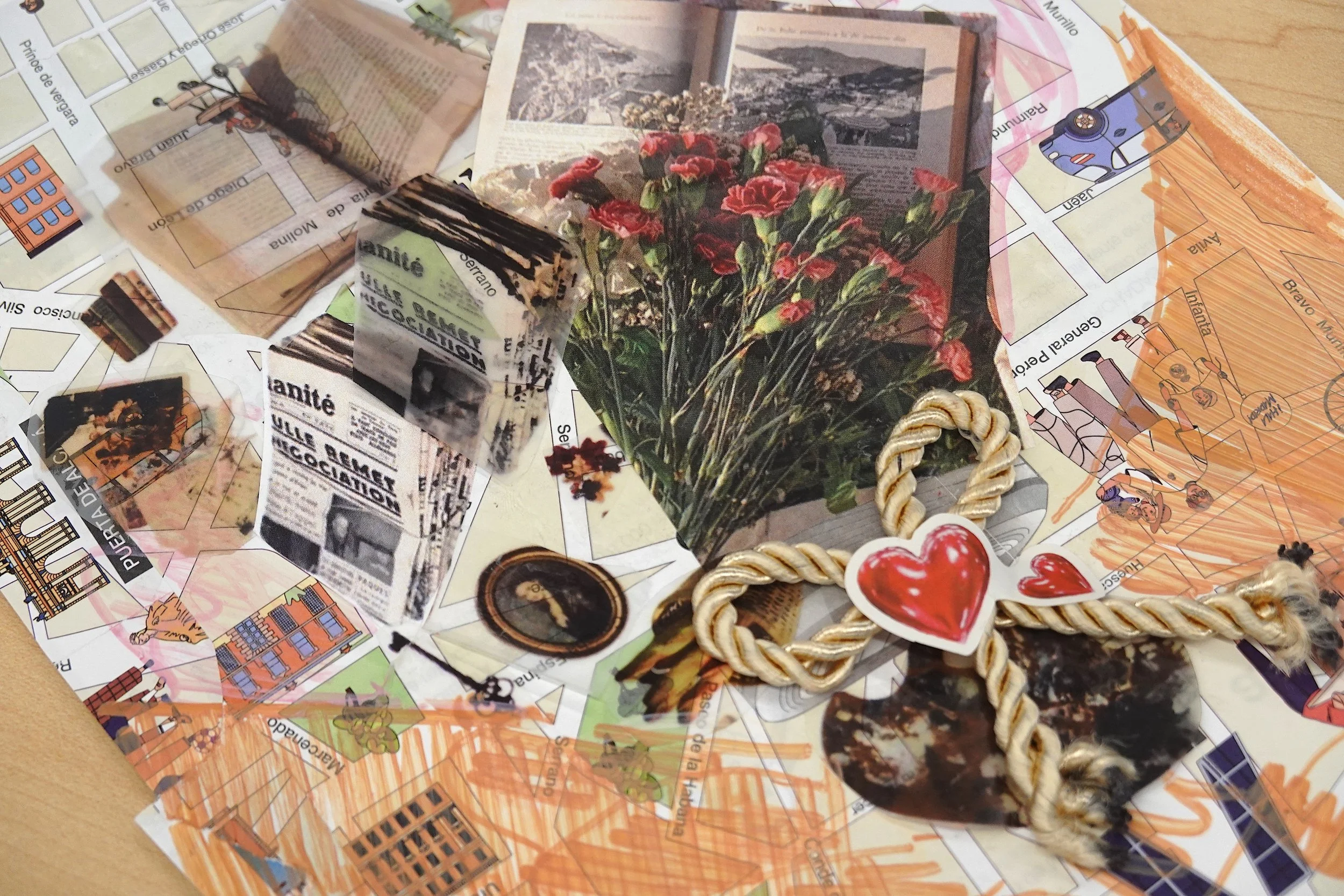
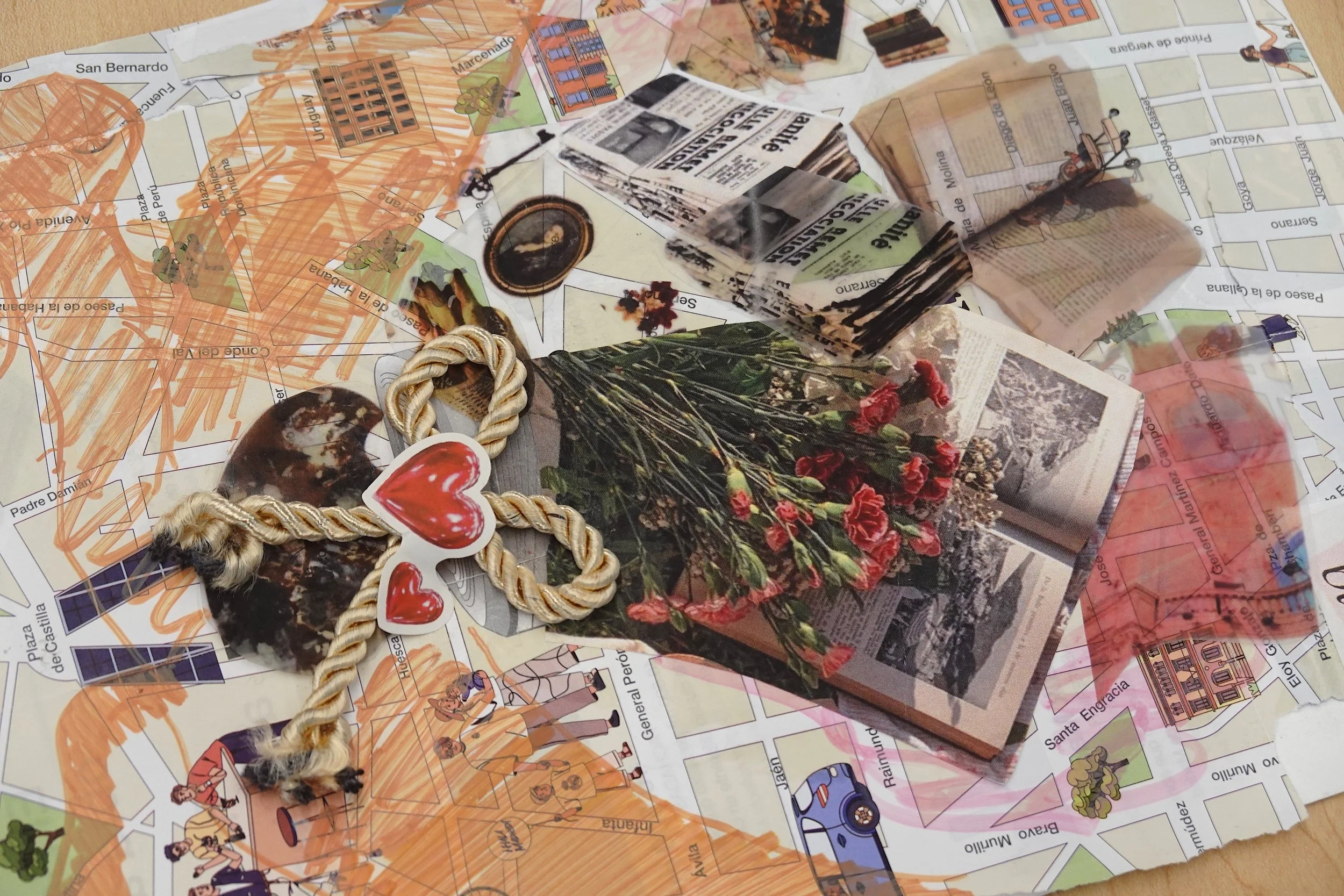
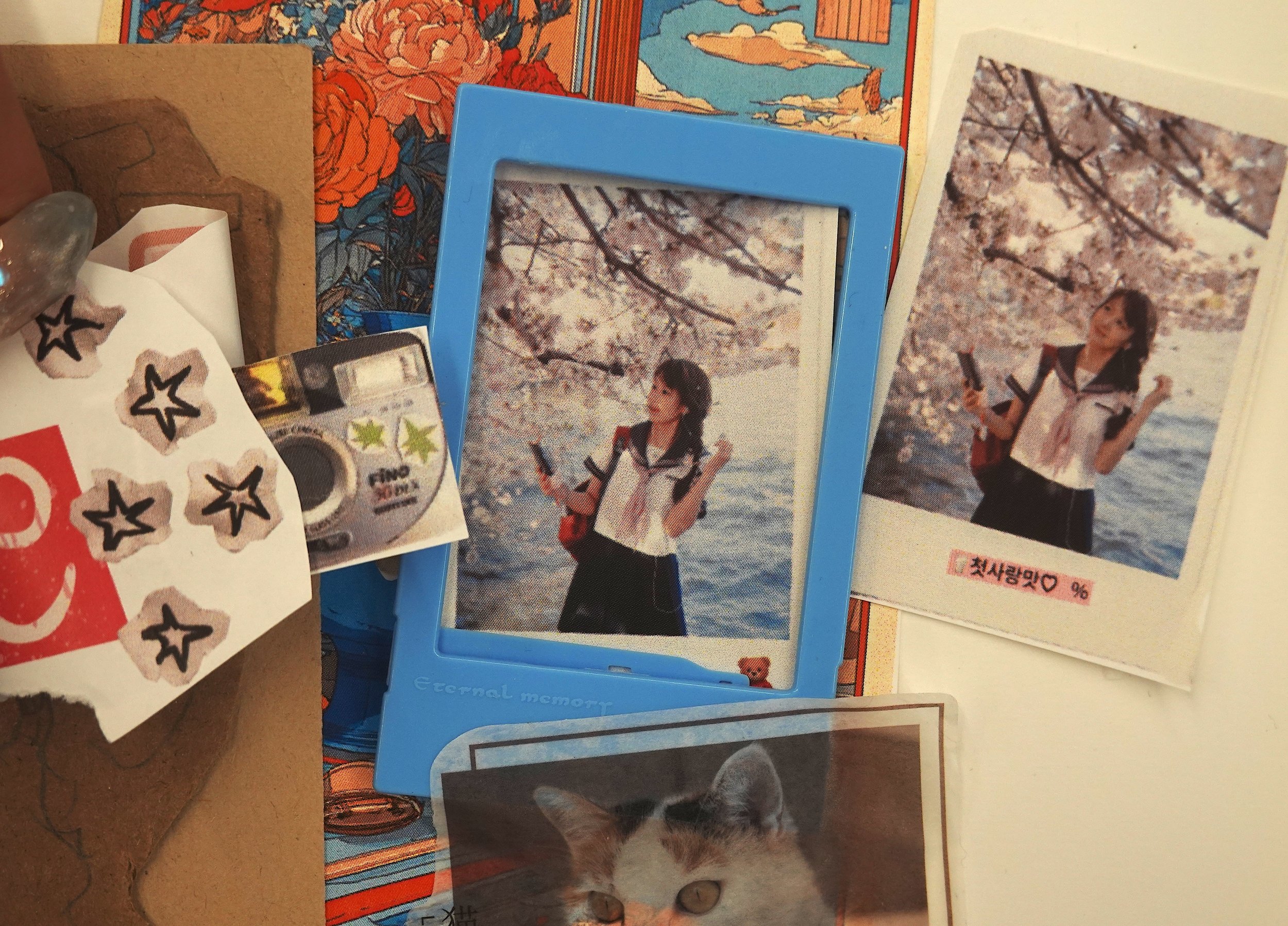
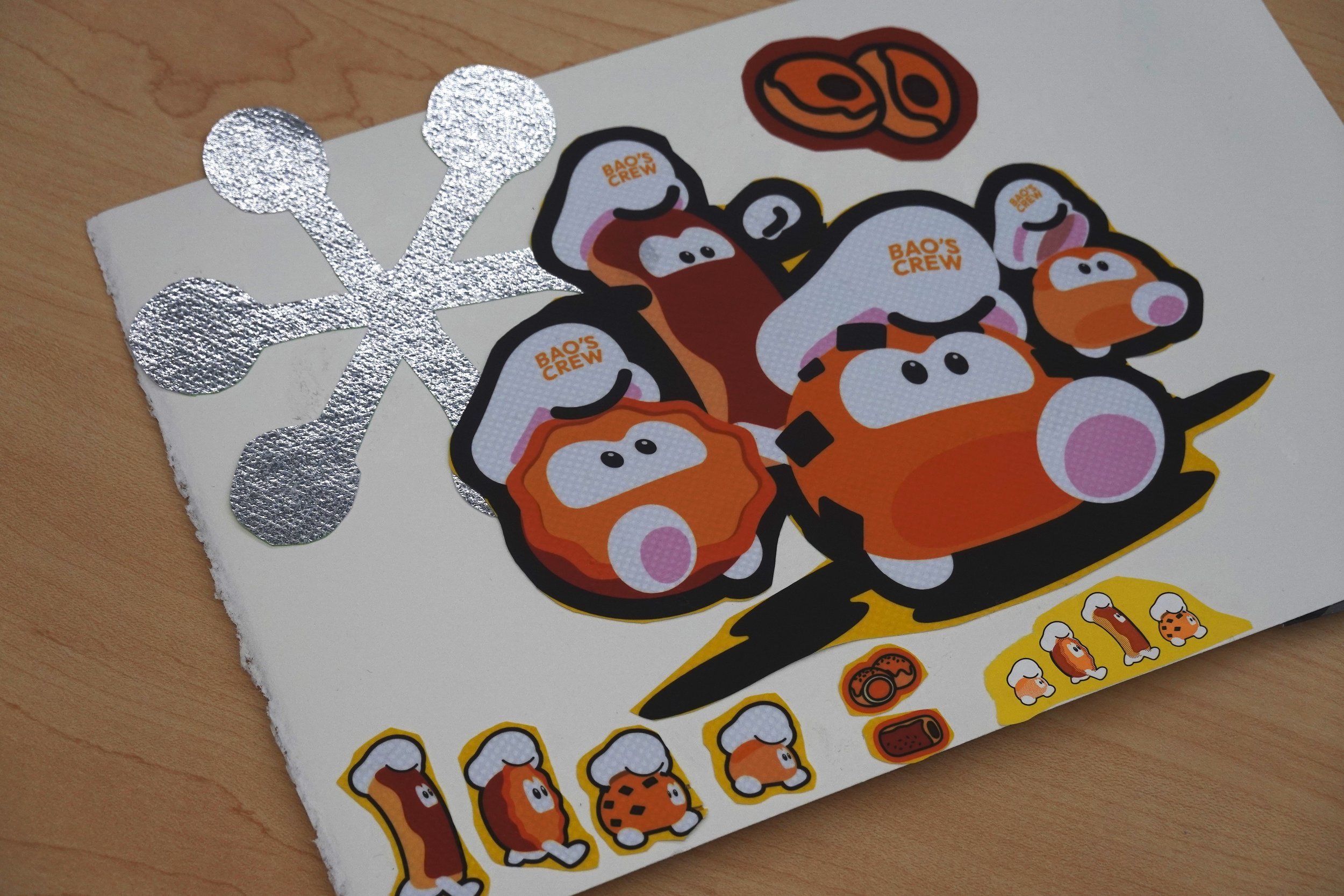
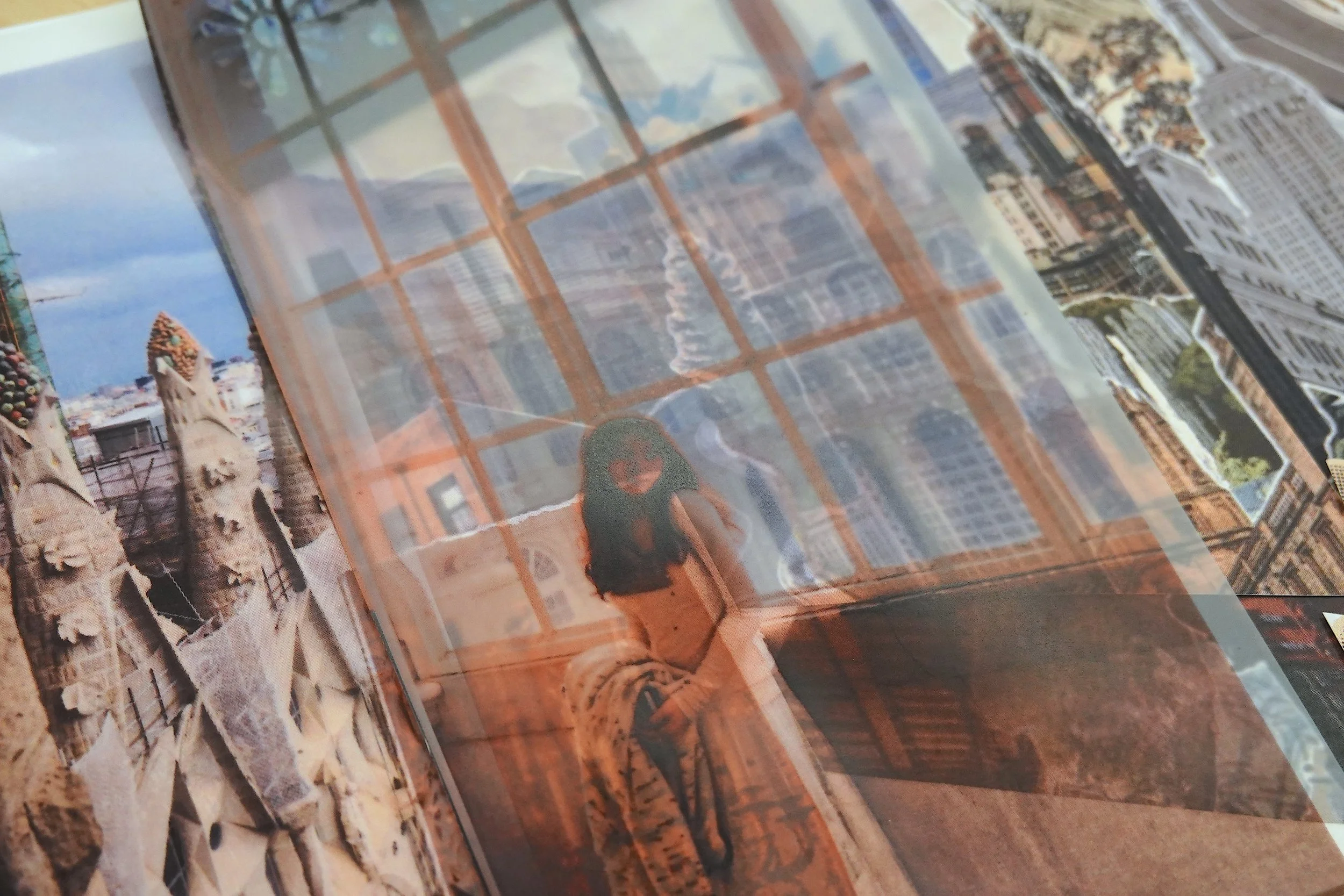
Play with translu-cent paper
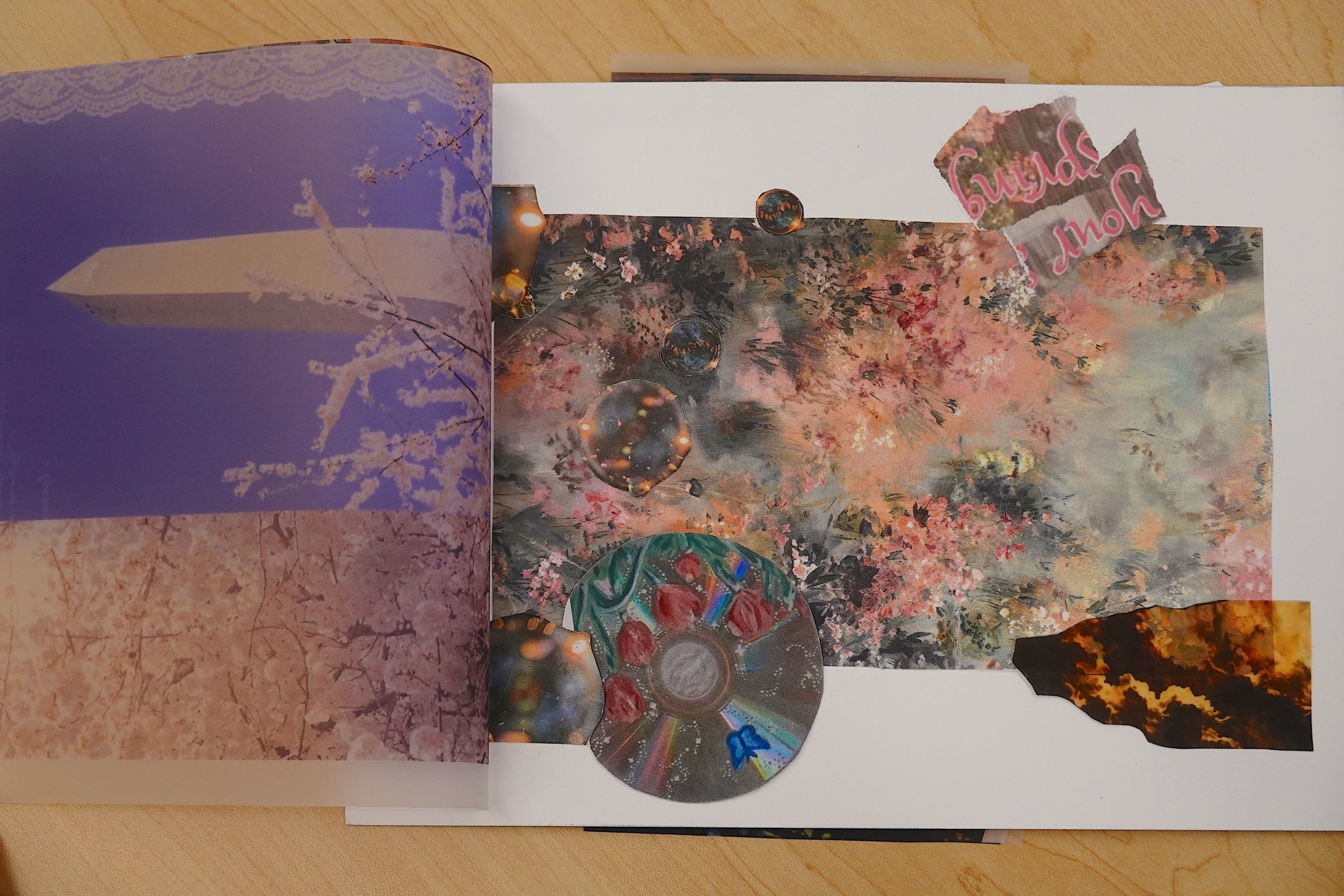
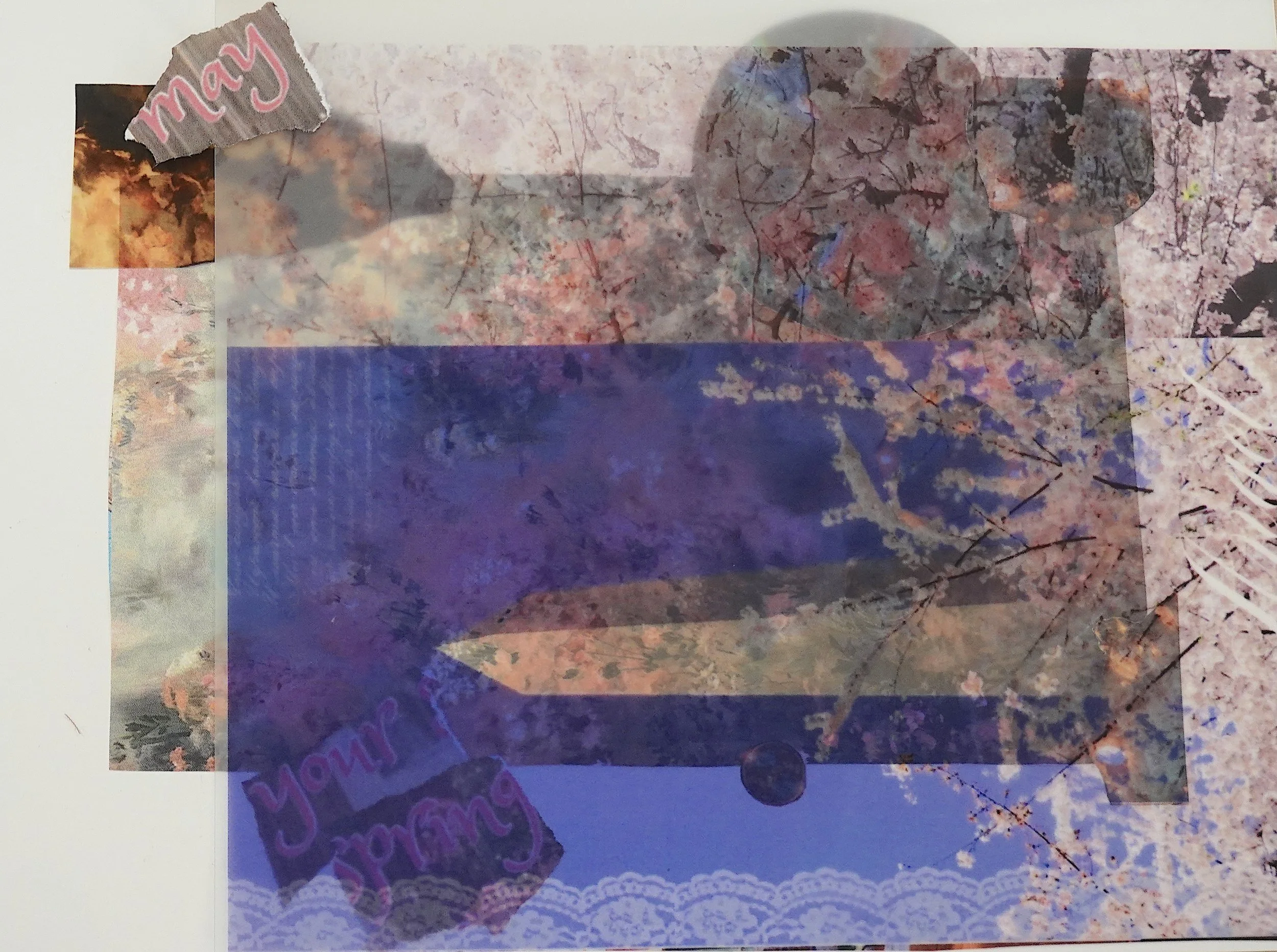
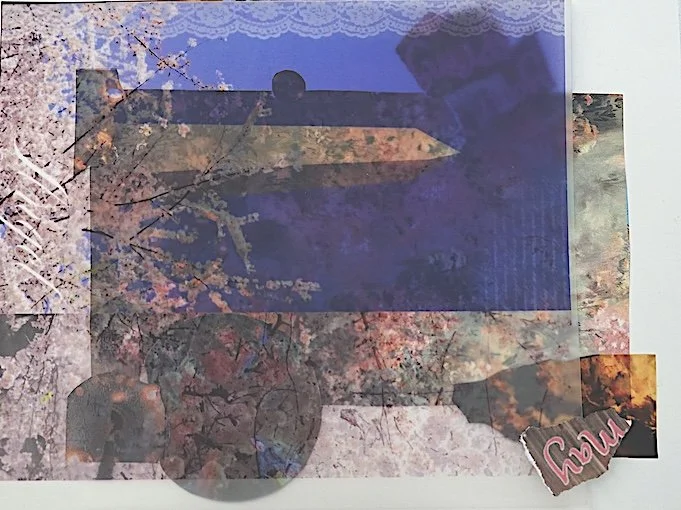
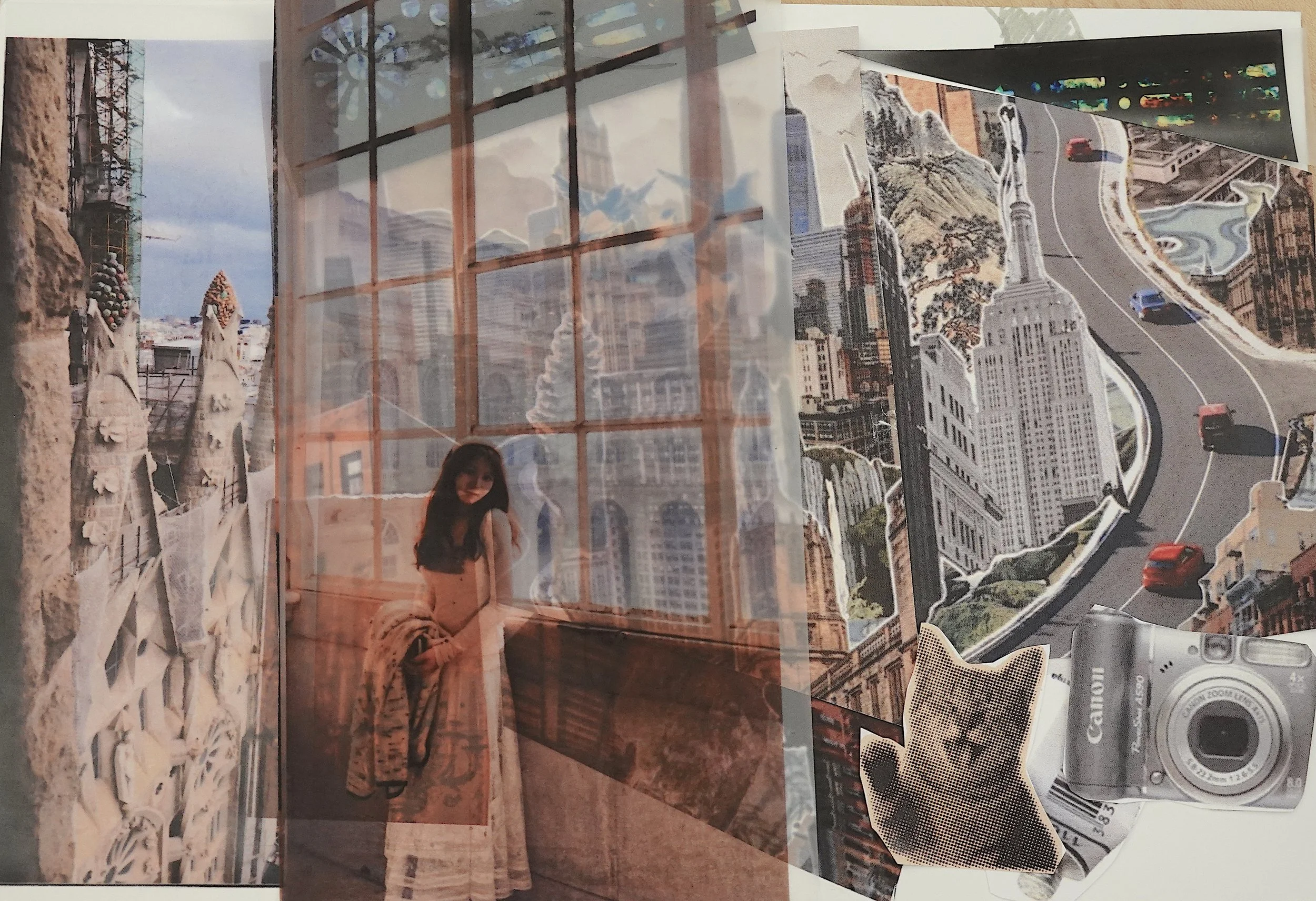
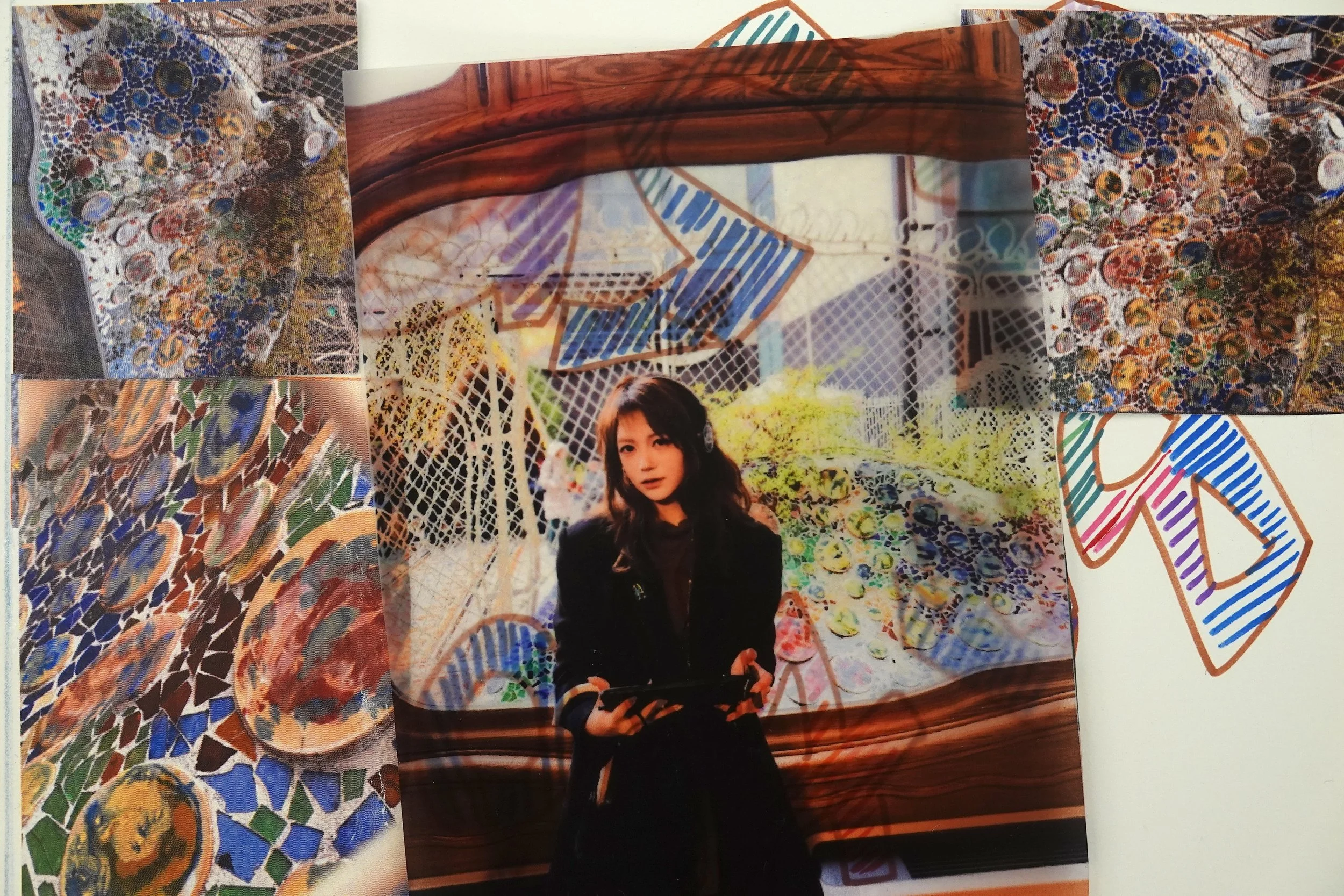
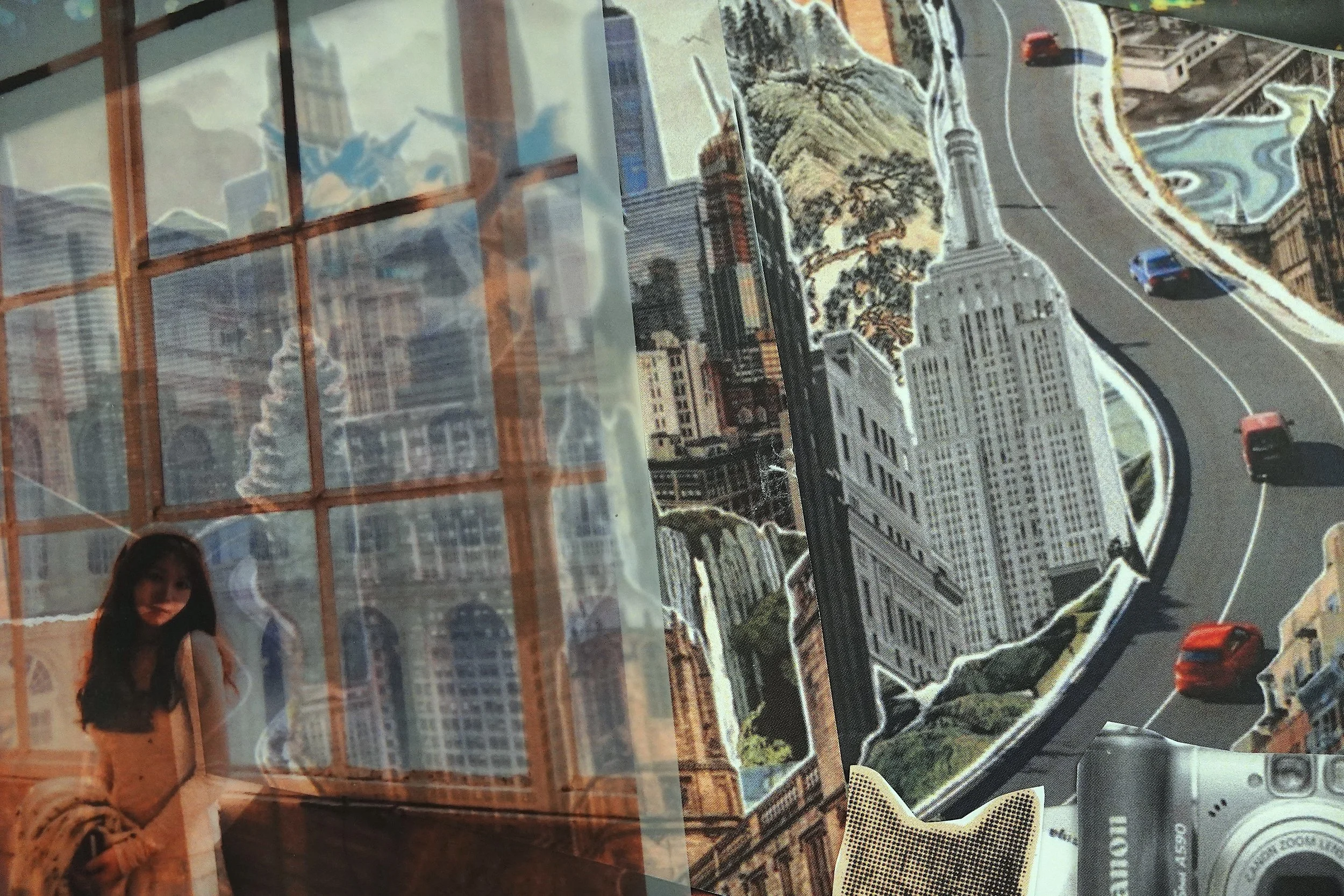
Multi-medium
architecture behind the windows
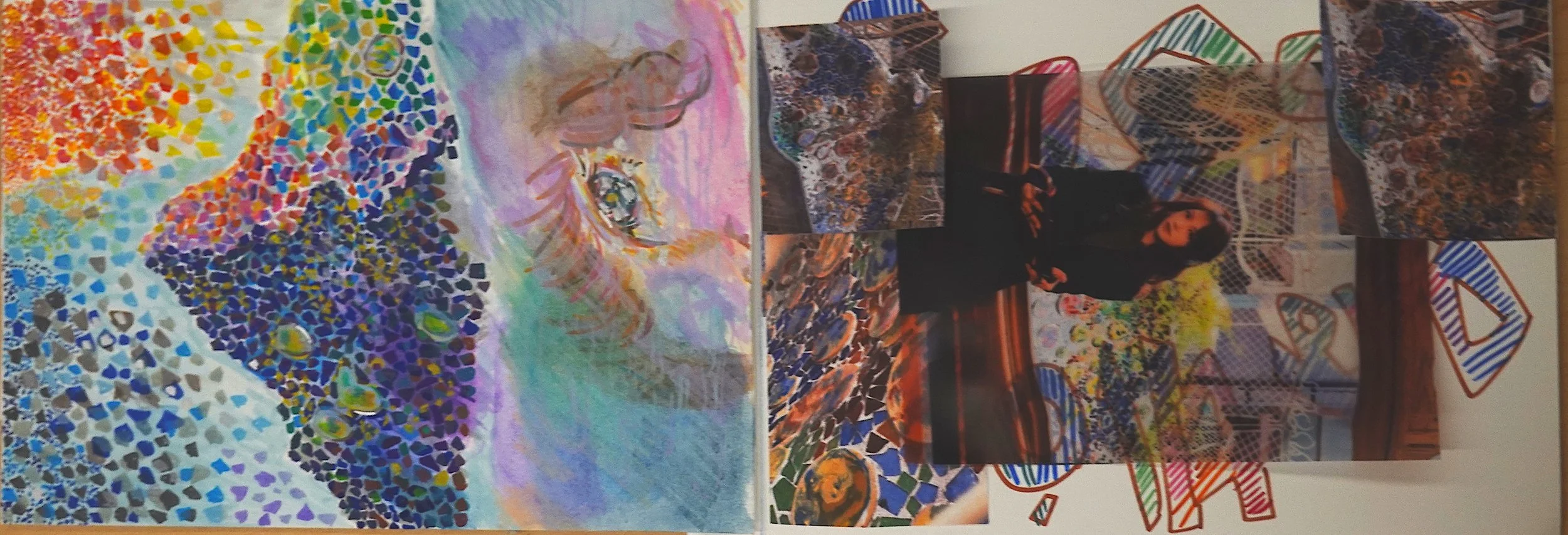
COLOR MATCHING
inspiration from travel and daily life